



Sisi and Hungary
—The Magnificent Life of Hungarian Aristocracy in the 17-19th Centuries
—The Magnificent Life of Hungarian Aristocracy in the 17-19th Centuries

29 May 2018 – 20 August 20 2018

Exhibition Room 5
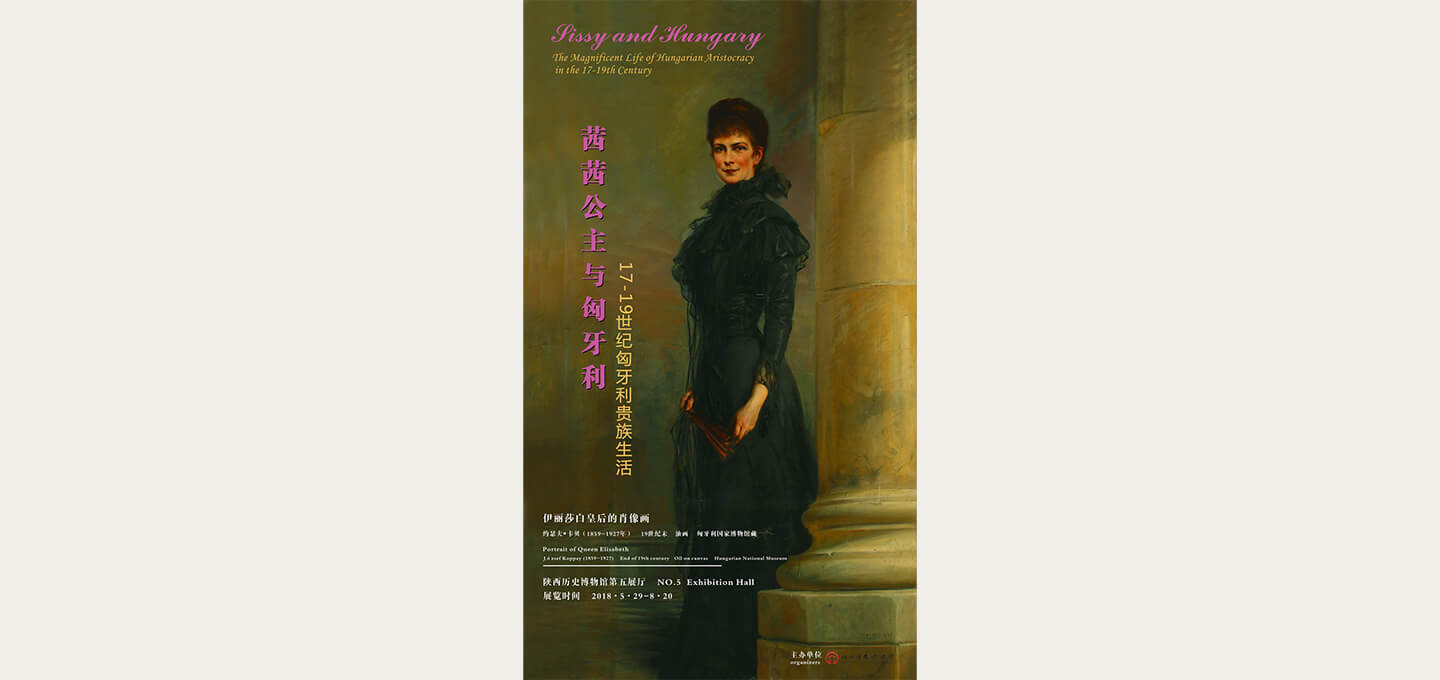
During the 17-19th centuries, Hungary was ruled by the House of Habsburg. Although it had an independent government, there was no independent royal family. Hungarian aristocracy played an important role in the country’s political life. They had large areas of land and a great influence on national decision-making. Princess Sisi (Queen Elisabeth) was the wife of Emperor Franz Joseph I of Austria. She had made constant efforts for the interests of the Hungarian people and thus was deeply favored by them. She is elegant and rebellious, which is very consistent with the free spirit of the Hungarian nation. Her portraits and statues are displayed all over the country.
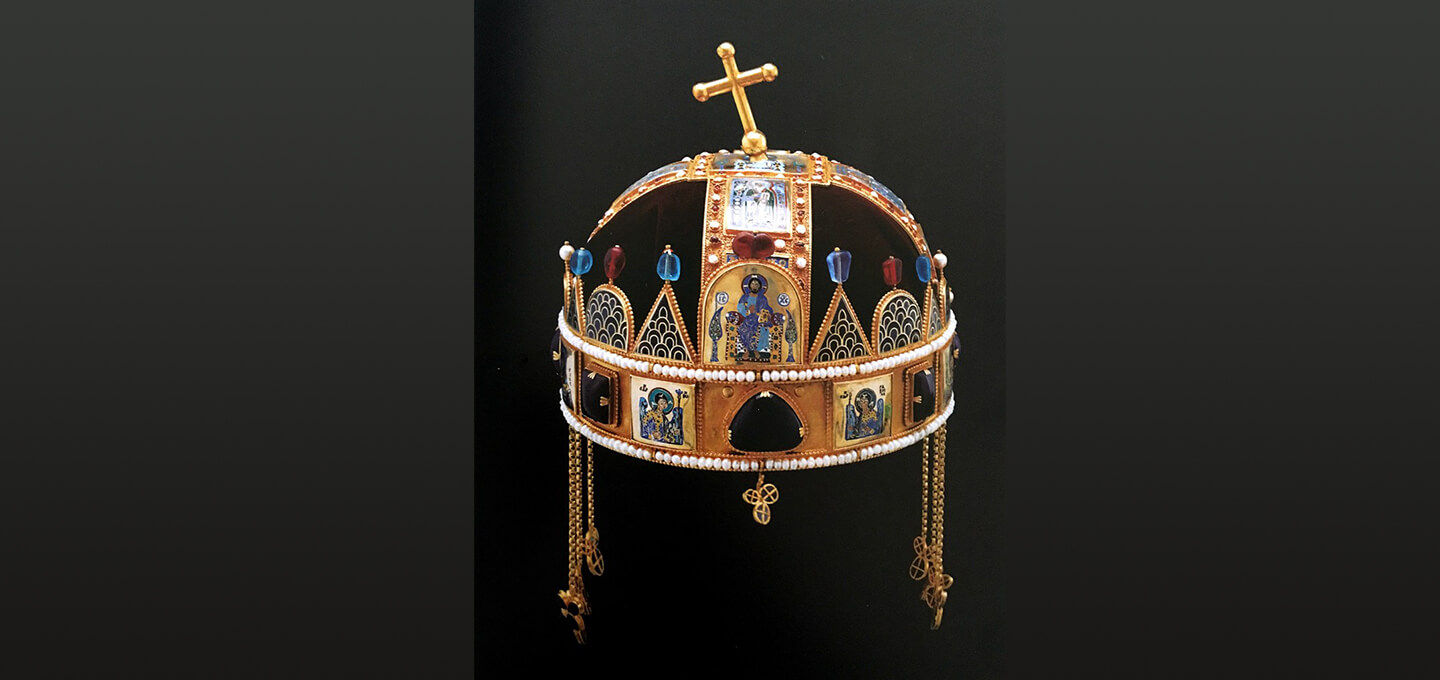
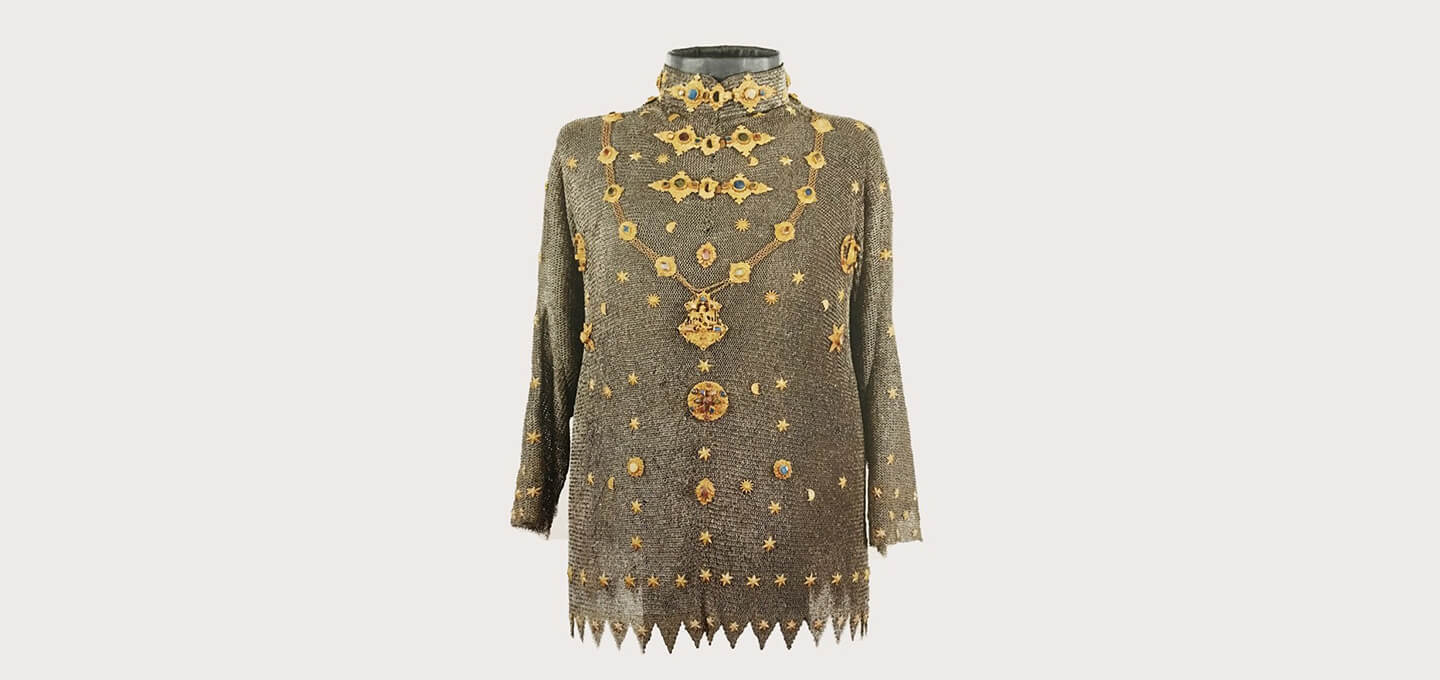
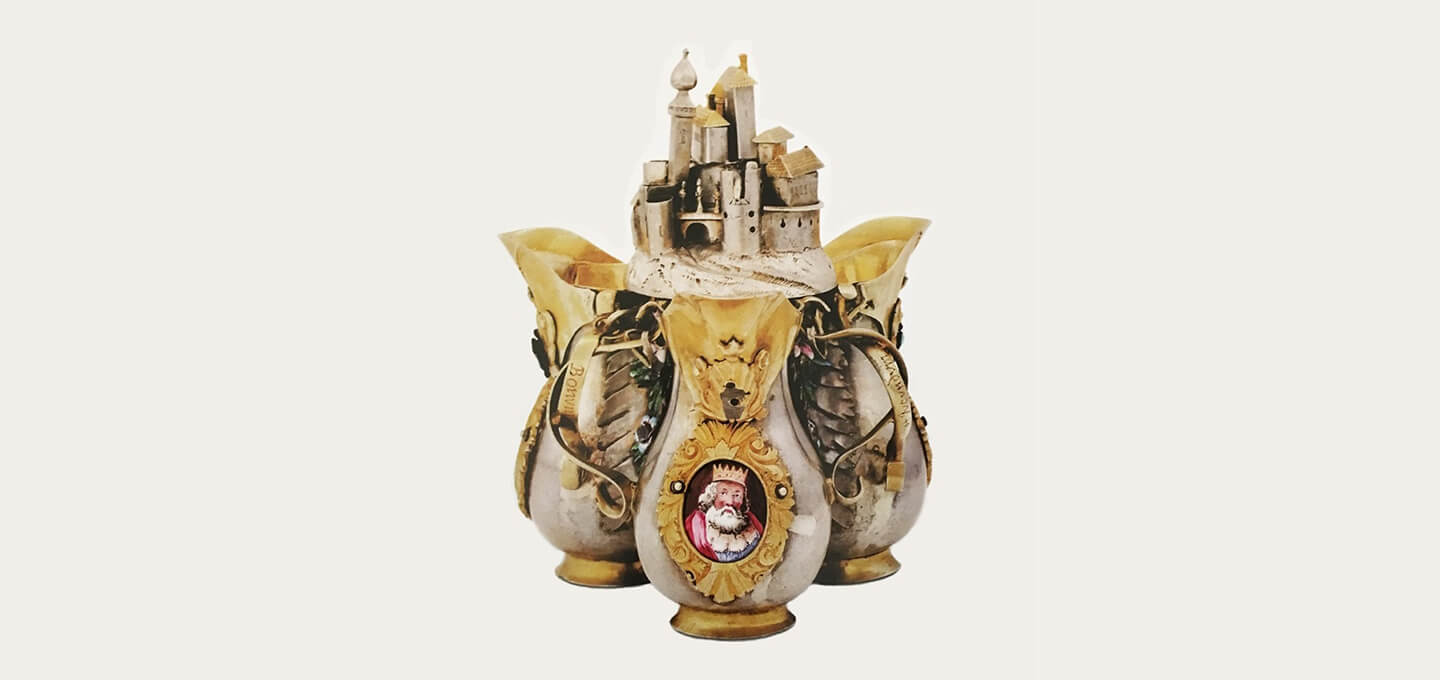
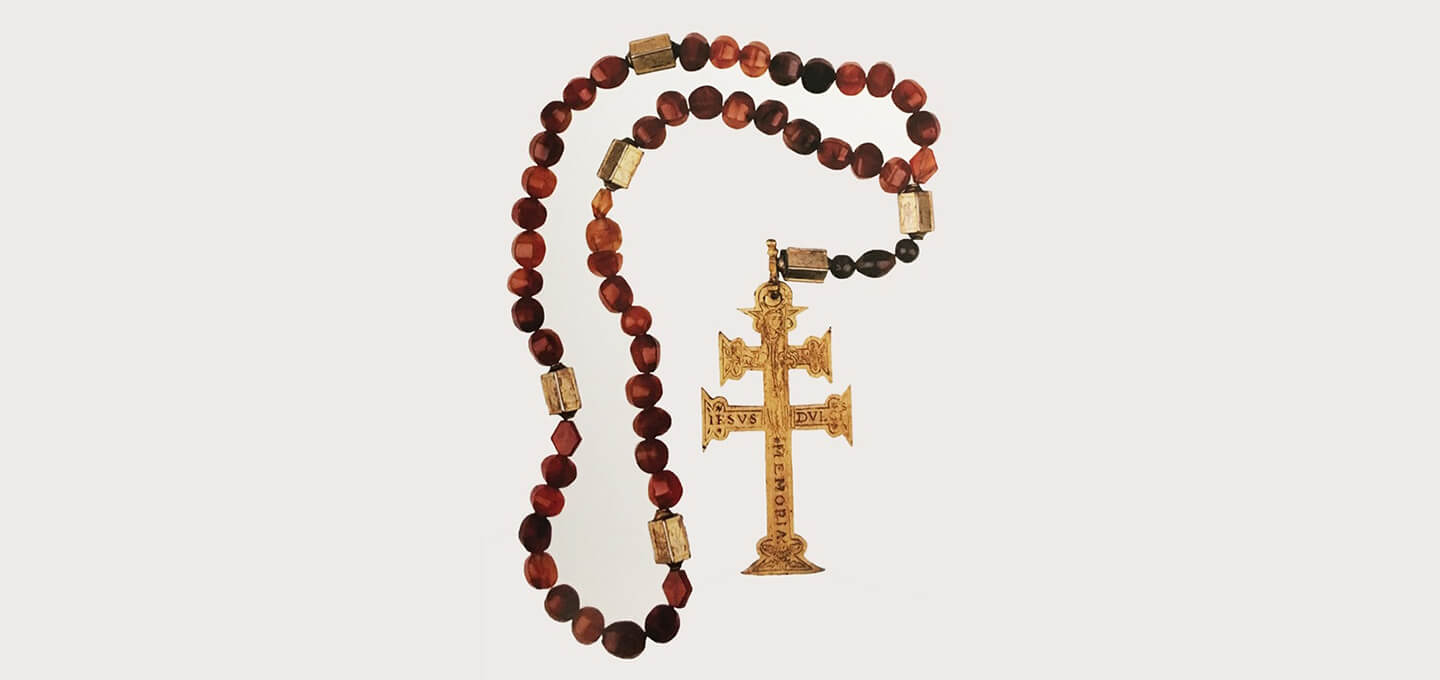
This exhibition displays 152 pieces (sets) of cultural relics from the Hungarian National Museum to show the history, culture and art of Hungary in the 17-19th centuries from five aspects: Society, Clothing, Daily Life, Weapons, and Religion, with particular emphasis on Queen Elisabeth’s deep affection for Hungary and the Hungarian people’s admiration for her.
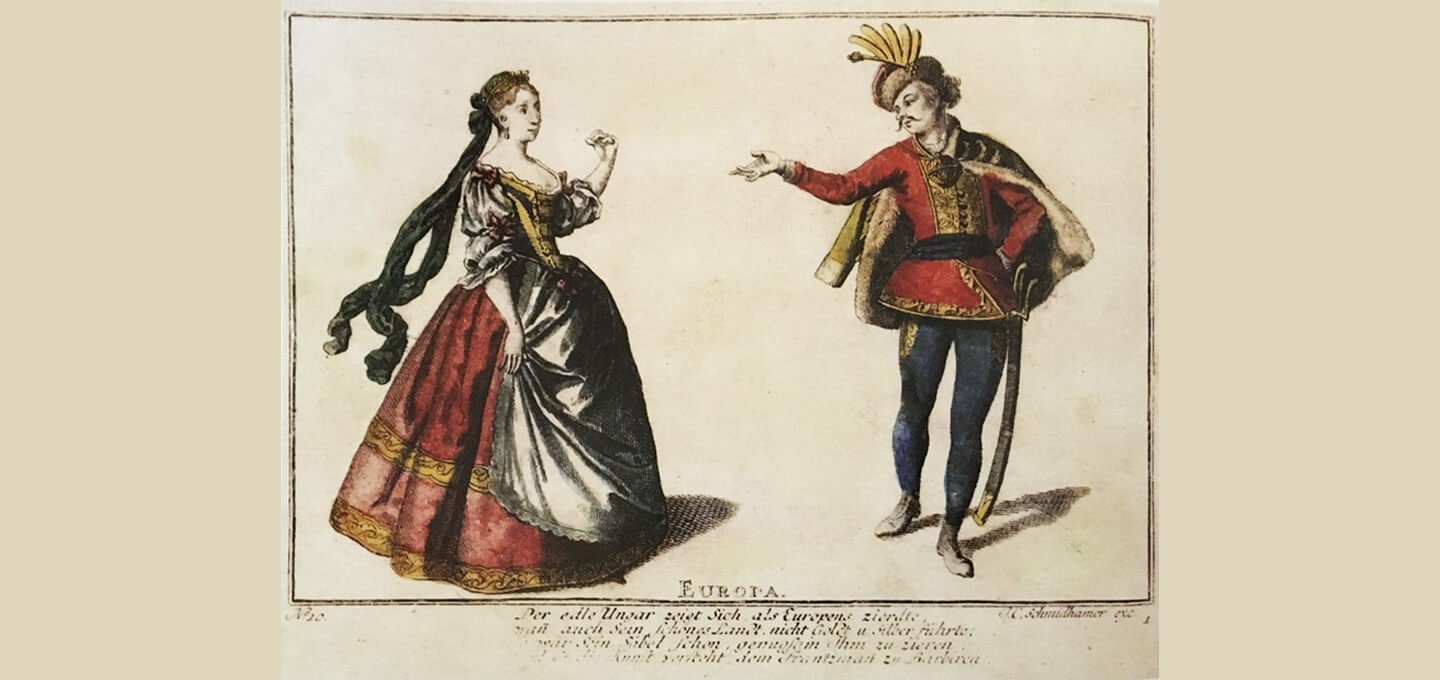
From 17th to 19th century, Hungarian aristocracy was deeply influenced by the House of Habsburg. Its culture and art were greatly affected by that of Vienna of Austria. For example, the daily utensils, furniture and clothing were mostly from Vienna. However at the same time, Hungarian nobles tried their best to preserve the unique customs of their nation. They were keen on glamorous and colorful clothes to show their wealth and equipped with ornamental weapons decorated with various rare gems and jewelries. Since the mid-17th century, Baroque fashion became popular in the Hungarian royal family and aristocracy, which was inseparable from the religious reform led by Habsburg at that time.
This is the first Hungarian exhibition ever held in China. It is a witness of the friendly exchanges between the Chinese and Hungarian peoples. We sincerely hope that this exhibition will not only help the Chinese people understand the excellent culture and art of ancient Hungary, but also further promote the cultural exchanges and development between the two countries.
This exhibition displays 152 pieces (sets) of cultural relics from the Hungarian National Museum to show the history, culture and art of Hungary in the 17-19th centuries from five aspects: Society, Clothing, Daily Life, Weapons, and Religion, with particular emphasis on Queen Elisabeth’s deep affection for Hungary and the Hungarian people’s admiration for her.
From 17th to 19th century, Hungarian aristocracy was deeply influenced by the House of Habsburg. Its culture and art were greatly affected by that of Vienna of Austria. For example, the daily utensils, furniture and clothing were mostly from Vienna. However at the same time, Hungarian nobles tried their best to preserve the unique customs of their nation. They were keen on glamorous and colorful clothes to show their wealth and equipped with ornamental weapons decorated with various rare gems and jewelries. Since the mid-17th century, Baroque fashion became popular in the Hungarian royal family and aristocracy, which was inseparable from the religious reform led by Habsburg at that time.
This is the first Hungarian exhibition ever held in China. It is a witness of the friendly exchanges between the Chinese and Hungarian peoples. We sincerely hope that this exhibition will not only help the Chinese people understand the excellent culture and art of ancient Hungary, but also further promote the cultural exchanges and development between the two countries.

top