

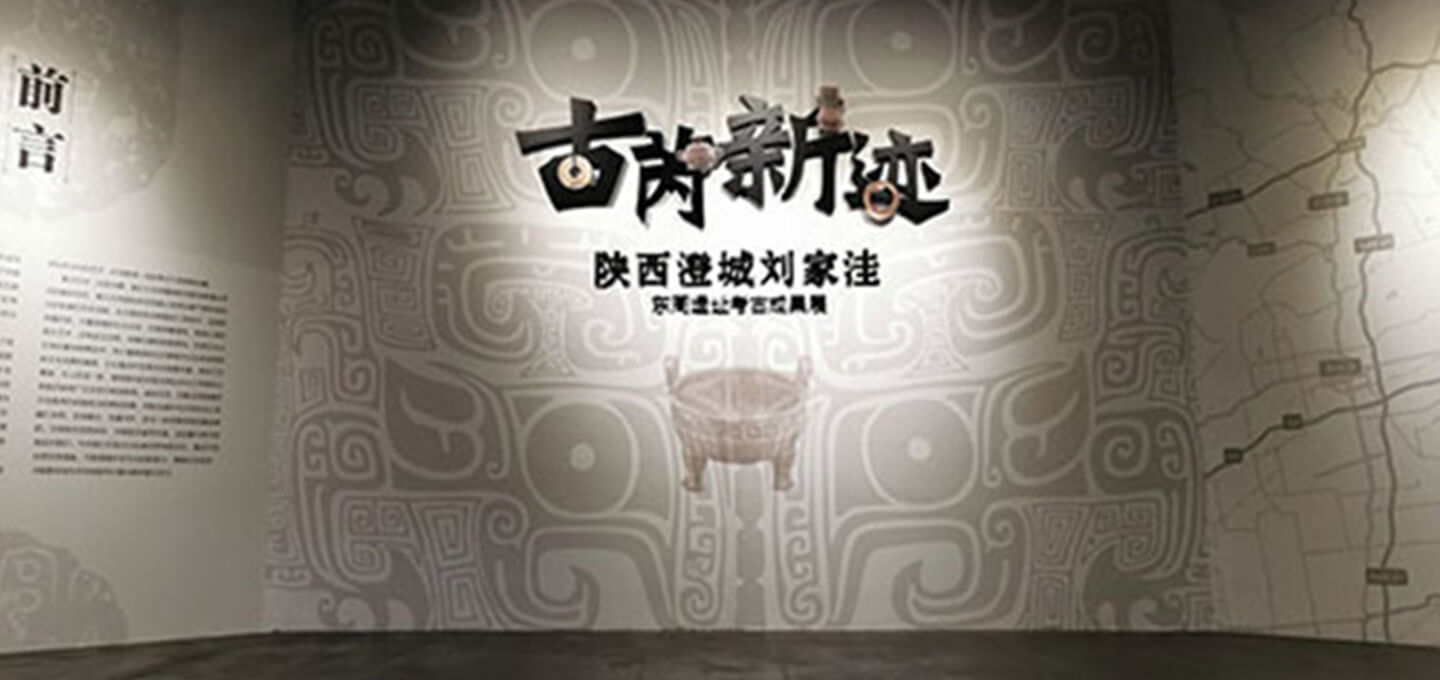
Archaeological Achievements at the Liujiawa Site of the Eastern Zhou
in Chengcheng of Shaanxi Province
in Chengcheng of Shaanxi Province

15 July 2020–15 October 2020

Exhibition Room 7
The Liujiawa Site, one of the important capitals of the Rui State as an ancient transportation hub and a battle field between the Qin and Jin states, was strategically significant. It covers an area of nearly 3 square kilometers including a residential area and a burial area. Rammed-earth walls and trenches form an enclosed area of over 100,000 square meters, in which high-grade buildings and bronze and pottery workshops were found. Up to now, more than 200 tombs of various sizes have been discovered, indicating different identities of the tomb owners. Therefore, it should be a public cemetery for nobles including the kings, thus a direct social and political manifestation of the Zhou Dynasty.
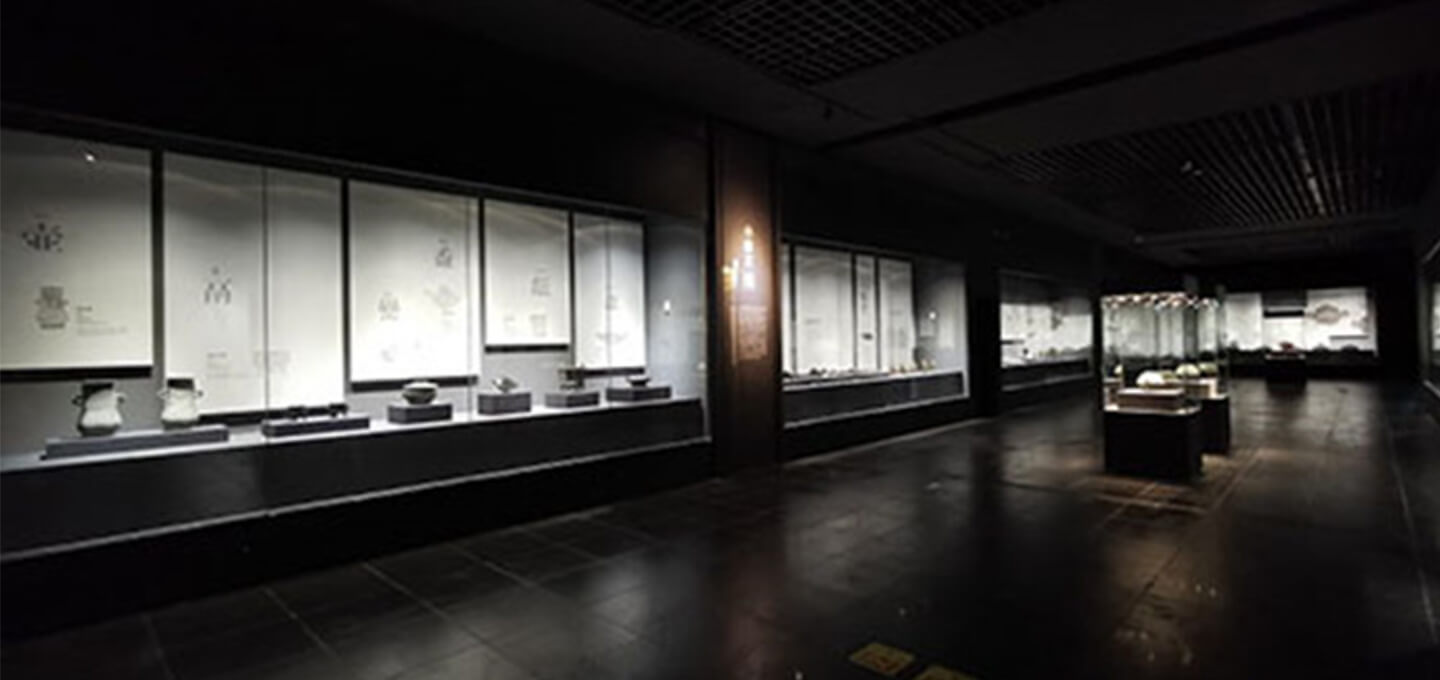
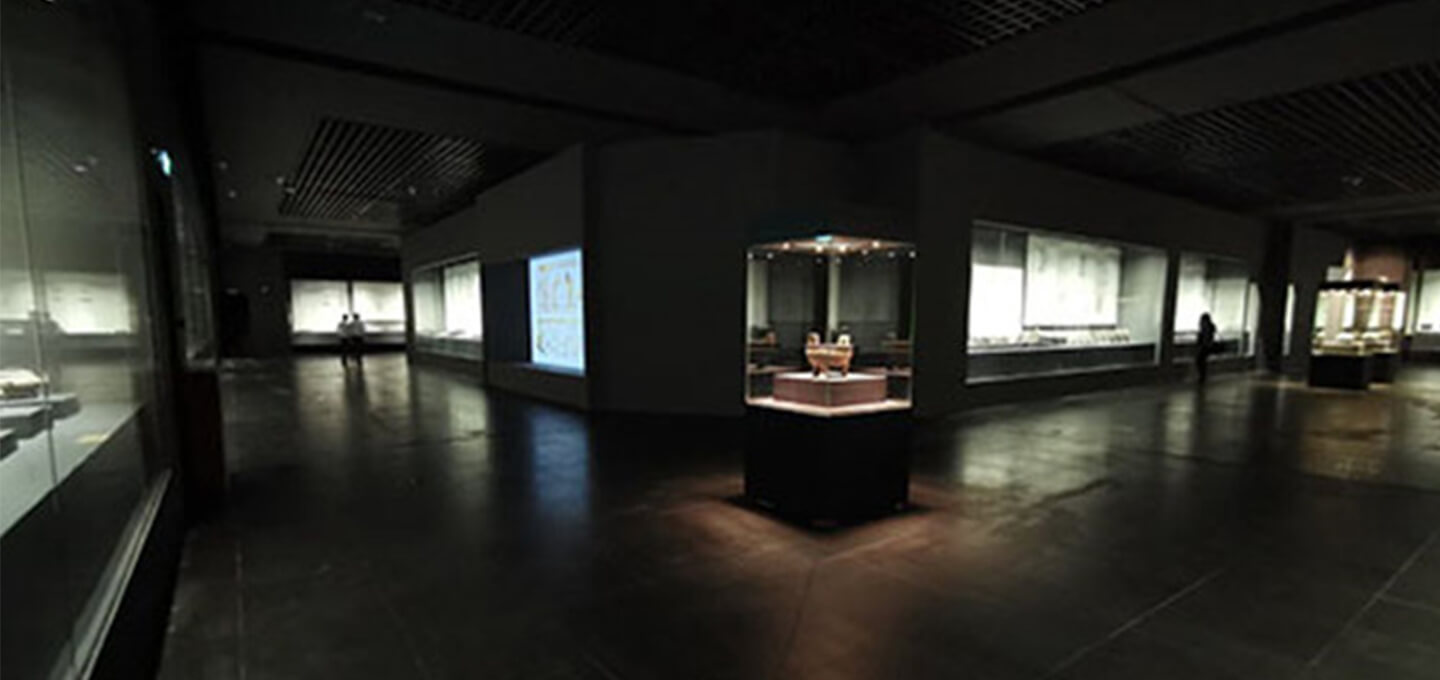
The exhibition consists of three sections, “Dividing Land into States”, “Glory of the Small State”, and “Returning to the Origin”, including more than 300 pieces of 175 sets of cultural relics. The majority of the exhibits are the recent excavations from the site of the Rui State of the Eastern Zhou Dynasty at the Liujiawa Site in Chengcheng County.
With the latest archaeological discoveries, the exhibition showcases the historical scene of the ancient Rui State and the enfeoffment system in the Zhou period. Among the exhibits, besides the food containers, bells and chimes, ornaments on carriages, there are also a small amount of utensils typical of the northern steppe culture or the western regions. This shows that the Liujiawa Site is not only rare evidence of the Zhou enfeoffment system of 3,000 years ago, but also a vivid reflection of the cultural development of Chinese civilization as an integrating and inclusive process.
The exhibition consists of three sections, “Dividing Land into States”, “Glory of the Small State”, and “Returning to the Origin”, including more than 300 pieces of 175 sets of cultural relics. The majority of the exhibits are the recent excavations from the site of the Rui State of the Eastern Zhou Dynasty at the Liujiawa Site in Chengcheng County.
With the latest archaeological discoveries, the exhibition showcases the historical scene of the ancient Rui State and the enfeoffment system in the Zhou period. Among the exhibits, besides the food containers, bells and chimes, ornaments on carriages, there are also a small amount of utensils typical of the northern steppe culture or the western regions. This shows that the Liujiawa Site is not only rare evidence of the Zhou enfeoffment system of 3,000 years ago, but also a vivid reflection of the cultural development of Chinese civilization as an integrating and inclusive process.

top