



Conflict and Fusion
The Wei, Jin, Northern and Southern Dynasties (220-581)
China underwent a period of chaos and disunity with constant wars and turbulence from the years 220 to 581, a period known in history as the Wei, Jin, Southern and Northern dynasties. Minority ethnic groups in northern China contended with each other, with some of them migrating into Shaanxi, leading to the merging of the agrarian culture with the pasture culture. The Silk Road was still thriving as before. The advancement of Buddhism to the east promoted the development and prosperity of culture and art.
Conflict and Fusion
Many parts of Shaanxi were battle fields during the war between the Wei State and the Shu State when China was in the Three Kingdoms Period (220-280). The Guanzhong Plain in central Shaanxi was occupied by Cao Cao from the Wei while Hanzhong in south Shaanxi was in the hands of Liu Bei from the Shu. Many historical sites and relics from this period were found in Qishan County and Hanzhong City in Shaanxi.
During the 130 years after the brief unification of the Western Jin, the five ethnic minorities that entered the Central Plains established more than 10 political regimes in northern China, known as the “Sixteen Kingdoms”. Afterwards, China entered the period of the Northern and Southern Dynasties. Four regimes of the Sixteen Kingdoms and two regimes of the Northern and Southern Dynasties, successively established their capitals in Shaanxi. This is a period that is vastly different from other dynasties with its culture featuring unique ethnic minority characteristics.
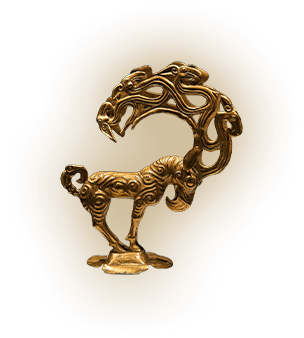
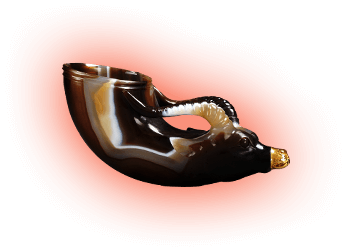
Guanzhong or the Central Shaanxi Plain was the main settlement area for the migration of ethnic minorities such as the Xiongnu, Xianbei, Jie, Di, and Qiang. From the Sixteen Kingdoms to the Northern Dynasties period, various ethnic groups collided and merged, creating regional cultures with strong ethnic characteristics. At this time, the Silk Road remained unobstructed.
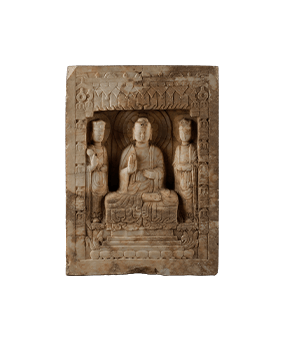
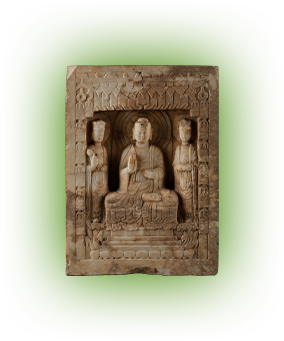
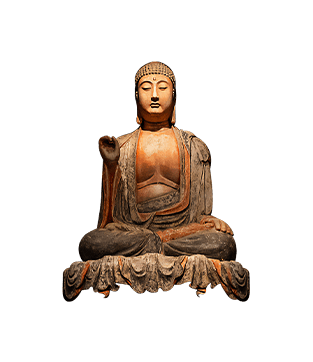
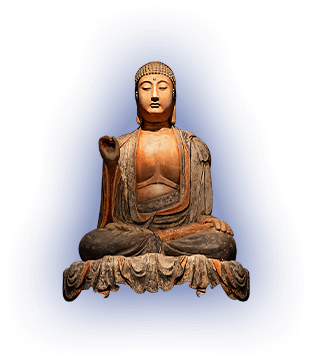
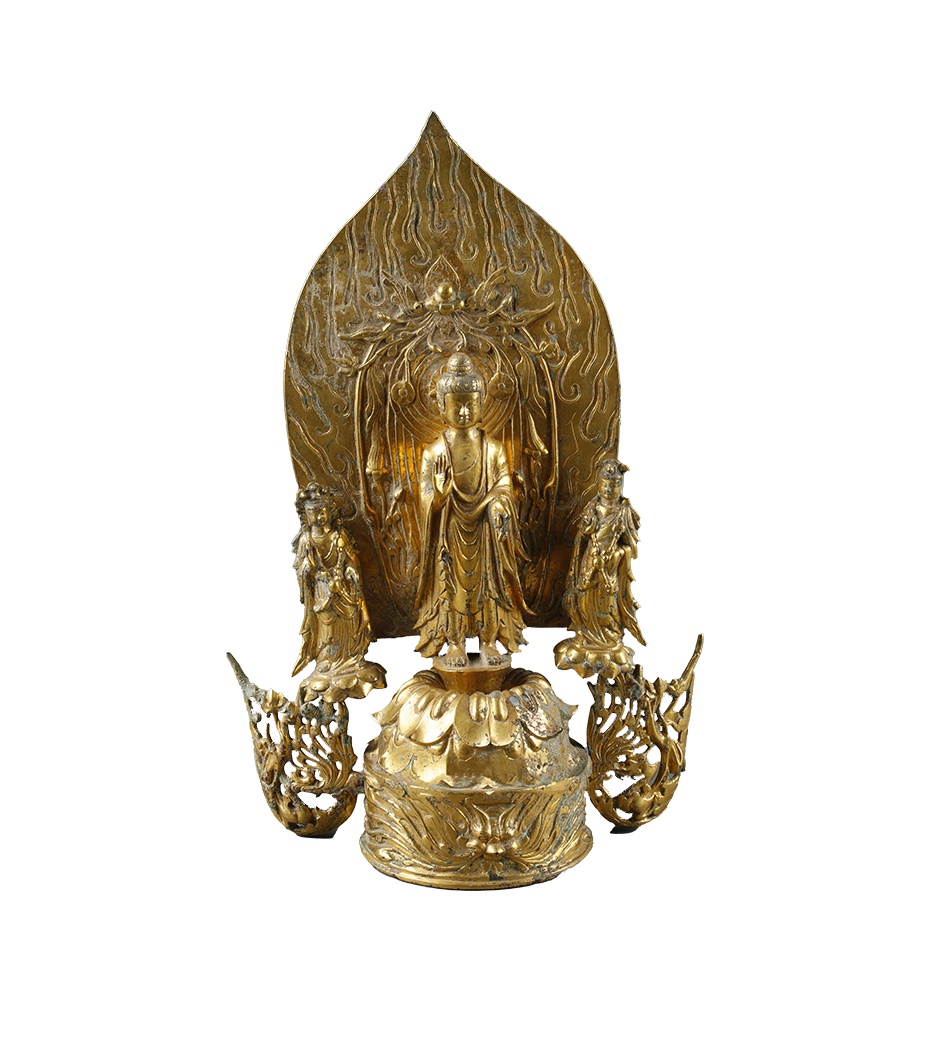
During the Northern and Southern Dynasties, there were constant wars and frequent changes in political power. People turned to religion for spiritual comfort to escape from human suffering. Buddhism was localized in China and became a prevailing religious faith, leaving behind a large number of brilliant Buddhist statue art works.

top