

Flourish of the Tang Dynasty
The Sui and Tang Dynasties (581-907)
The Sui and Tang dynasties are the most glorious time in ancient China. Their capital Chang’an was the largest and the most prosperous metropolis in the world at that time. The politics, economy and culture of the time were fully developed due to the extensive contact with other civilizations. The cultural relics from these two dynasties are a reflection of the inclusiveness of the era and the stunning achievements attained through creativity and innovation.
Flourish of the Tang Dynasty
The Tang capital Chang’an was a well-designed city with all the buildings and constructions arranged in a symmetric manner along the central axis of the city. In the center of the northern part of the city lay the Forbidden City. To the south of the Forbidden City lay the Imperial City where the government institutions were located. The Forbidden City, the Imperial City and the Outer City were clearly divided in function, setting a good example for the layout of the capital cities for the later dynasties. The whole city was designed in a grid pattern with 11 vertical avenues and 14 horizontal streets, exerting a strong impact on the city construction in China and other parts of the Far East Asian countries.
To the northwest of Chang’an stand the 18 mausoleums for the Tang rulers. They are arranged in a circle along the north bank of the Weihe River, either on the flat plain or on the mountain slopes, looking spectacular from a distance. Most of the mausoleums are made in mountains and are large in scale, presenting a miracle in the history of tomb construction in the world and exerting a far-reaching influence on imperial tomb construction for later generations.
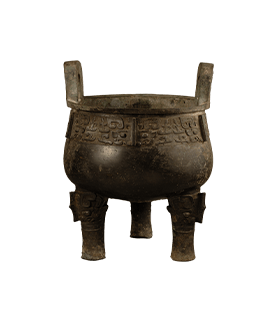
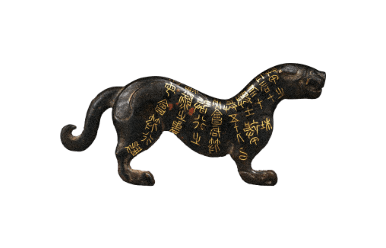
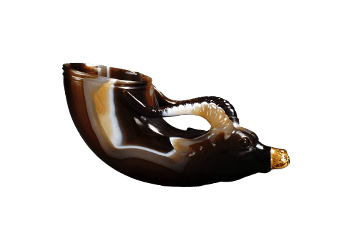
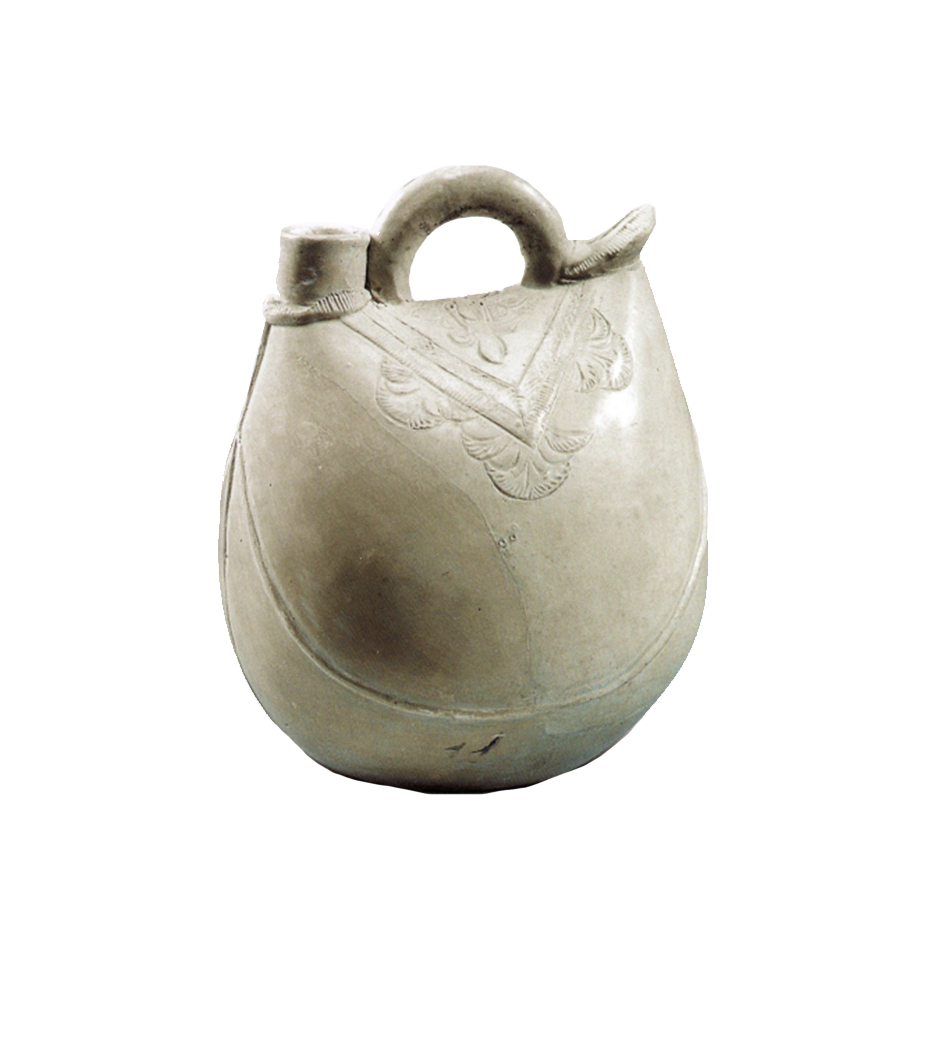
The handicrafts of the Sui and Tang dynasties reached a peak in ancient China with the manufacturing skills upgraded remarkably in contrast to the previous dynasties due to the increased market demand. Both the government-run and private-run workshops flourished. The examples of these finely-made silk products, the gold and silver wares, the tri-colored pottery wares, the porcelains and the bronze mirrors fully demonstrate the superb technical level of the handicraft manufacturing industry of the time.
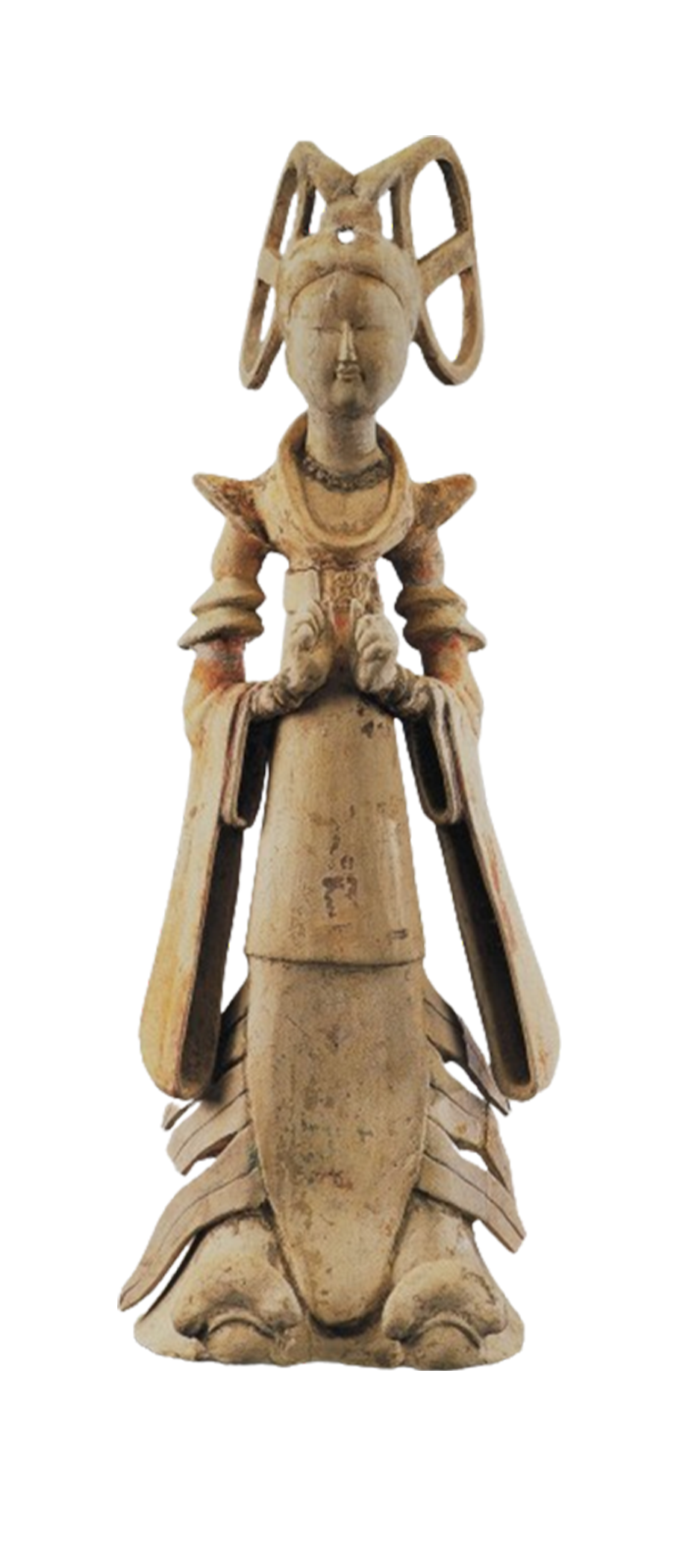
The Tang people enjoyed a variety of entertainments including music, dance and sports. With a strong influence from the ethnic groups in China and other parts of the world like Central, West, South, and East Asian countries, Tang art reached a new climax. Musical bands were composed of singers, dancers and musicians. Local and foreign dancers performed together. Both the nobles and commoners got great pleasure from Polo and Cuju football matches, demonstrating the upbeat spirit of the time.
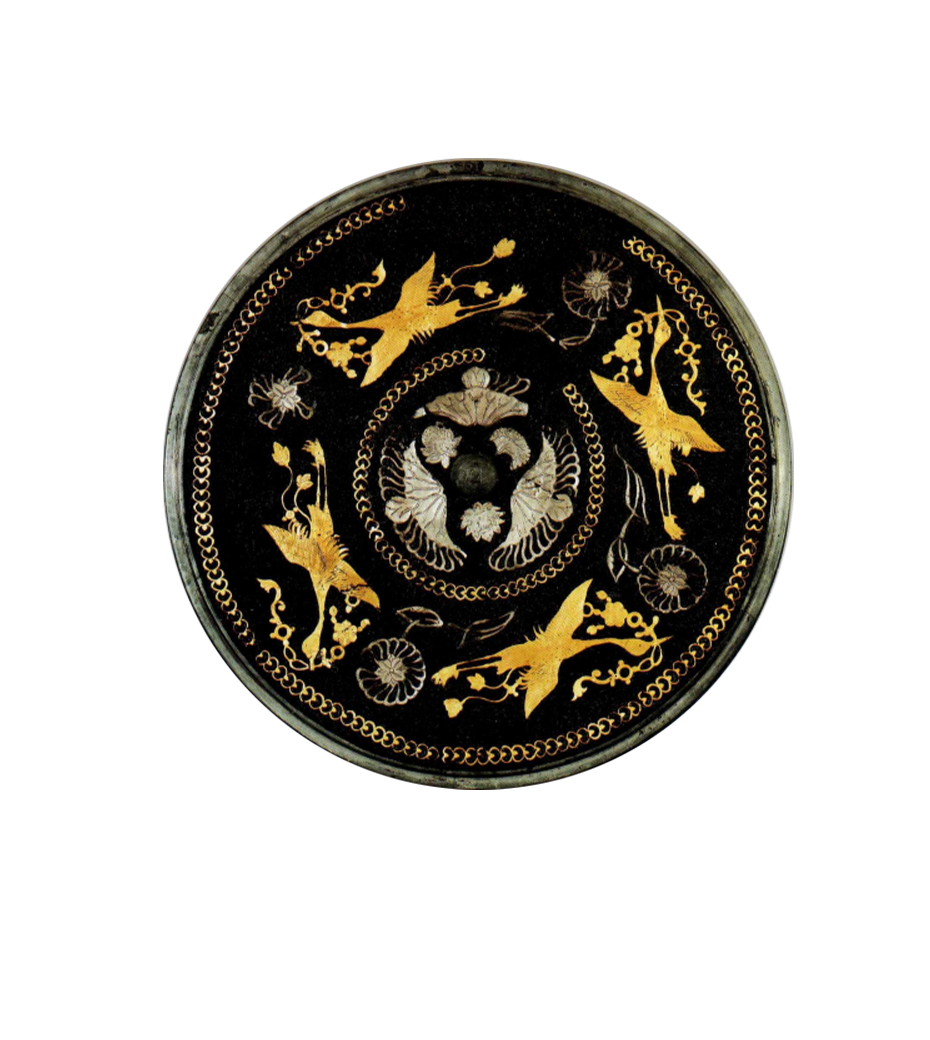
Chang’an was the starting point of the Silk Road and the hub for cultural exchanges between the East and the West. As China’s silk, tea, paper, and other goods were continuously transported to the West, a large amount of Western products were also introduced to Chang’an. The culture of the Sui and Tang dynasties flourished with the blend of world cultures and international trade.
top