

The Eastern Empire—Qin
The Qin Period (770BCE-207BCE)
The Qin Kingdom (770BCE-221BCE)
The Qin Dynasty (221BCE-207BCE)
The Qin Kingdom (770BCE-221BCE)
The Qin Dynasty (221BCE-207BCE)
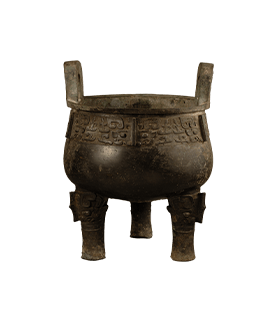
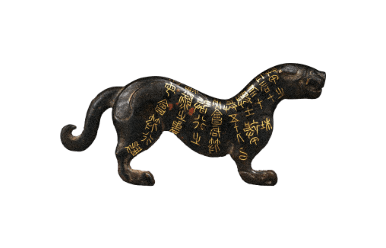
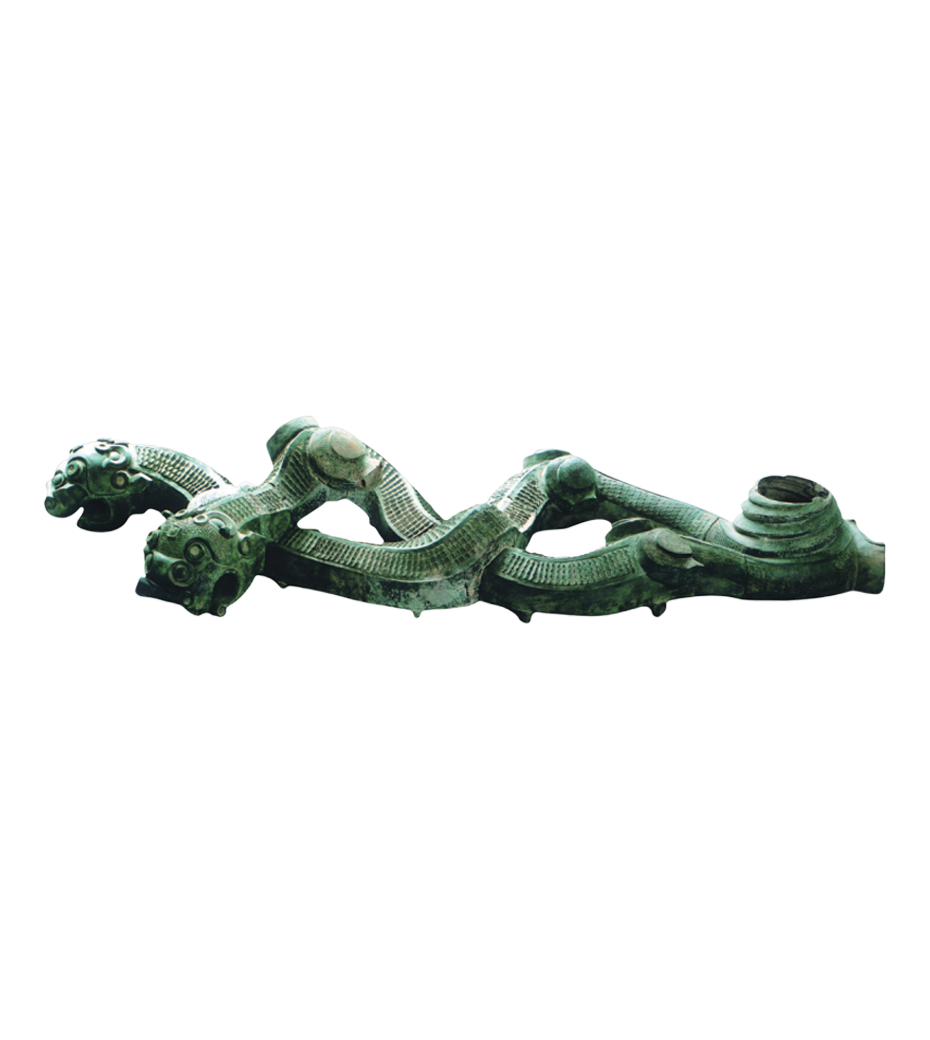
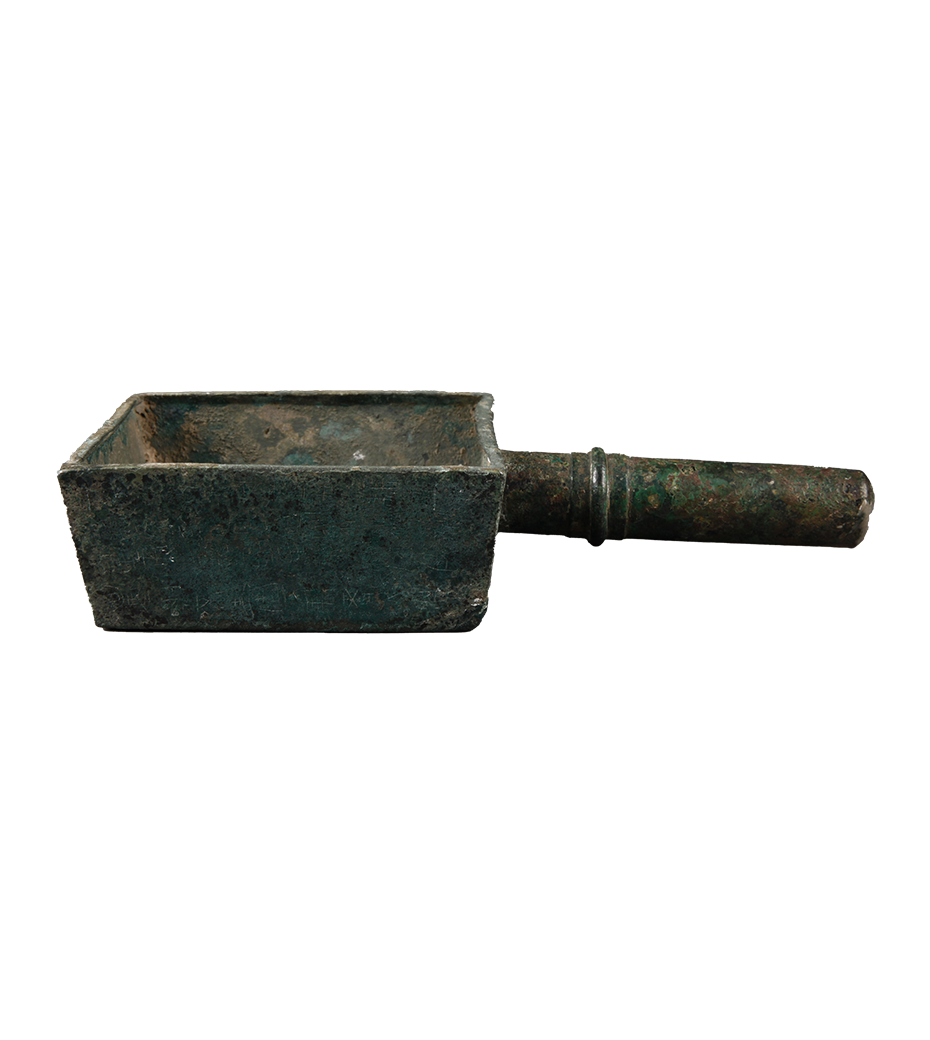
The Qin people, originally from present day Tianshui of Gansu Province, are decedents of one of the clans of Huaxia (literally beautiful grandeur, a historical concept representing the Chinese nation). They quickly rose to power around today’s Shaanxi area after having assisted King Ping of the Eastern Zhou to move eastward in 770BCE. In 221BCE, Emperor Qin Shihuang unified China and established the first unified, multinational and centralized empire which had tremendous political, economic and military influence on the later dynasties. The cultural relics of Qin people, represented by the terracotta warriors and horses, characterize their imposing grandeur and distinct military feature, and vividly reflect the expansion tendency in the early Qin culture and the spirits of the times.
The Eastern Empire—Qin
The Qin grew into power from a remote vassal state of the Zhou with great efforts and vision from its rulers in a period of over 500 years. With the continuing expanding of their territory, the Qin eventually became the most powerful among the seven rival states in the late period of the Warring States Period and finally unified China.
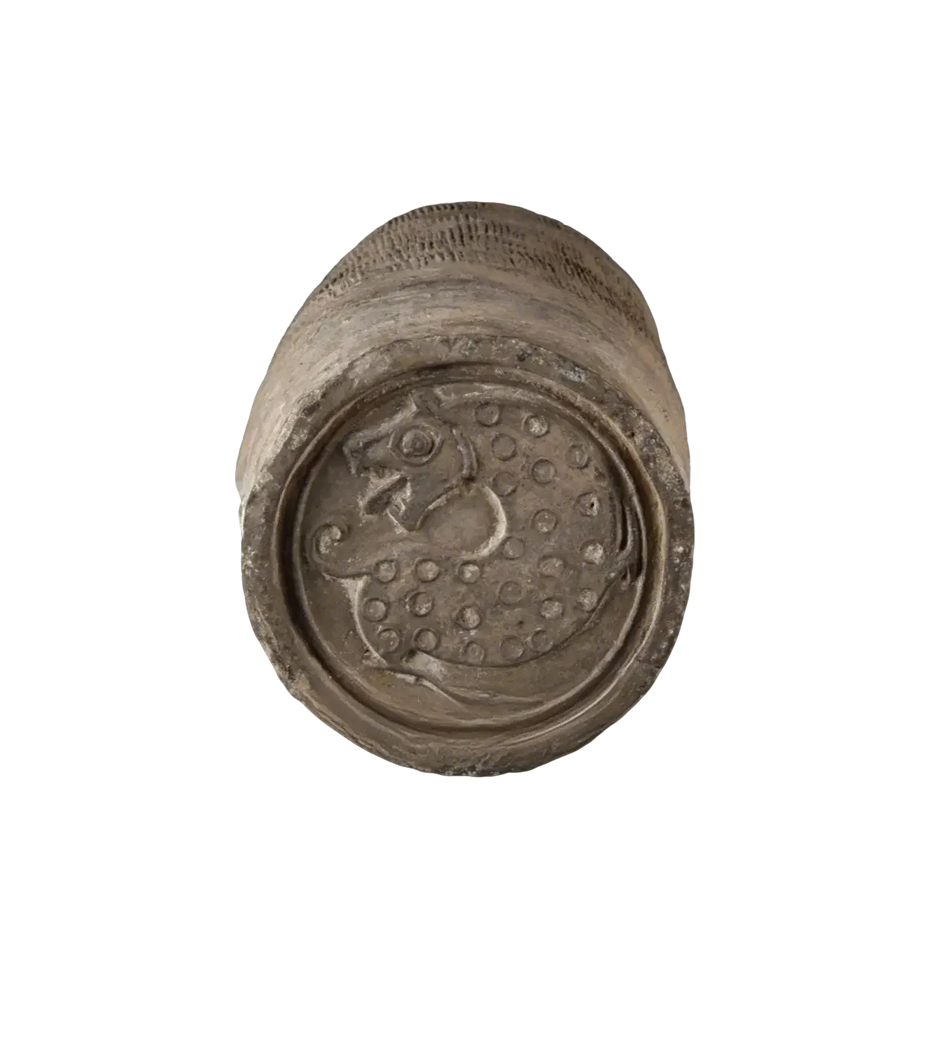
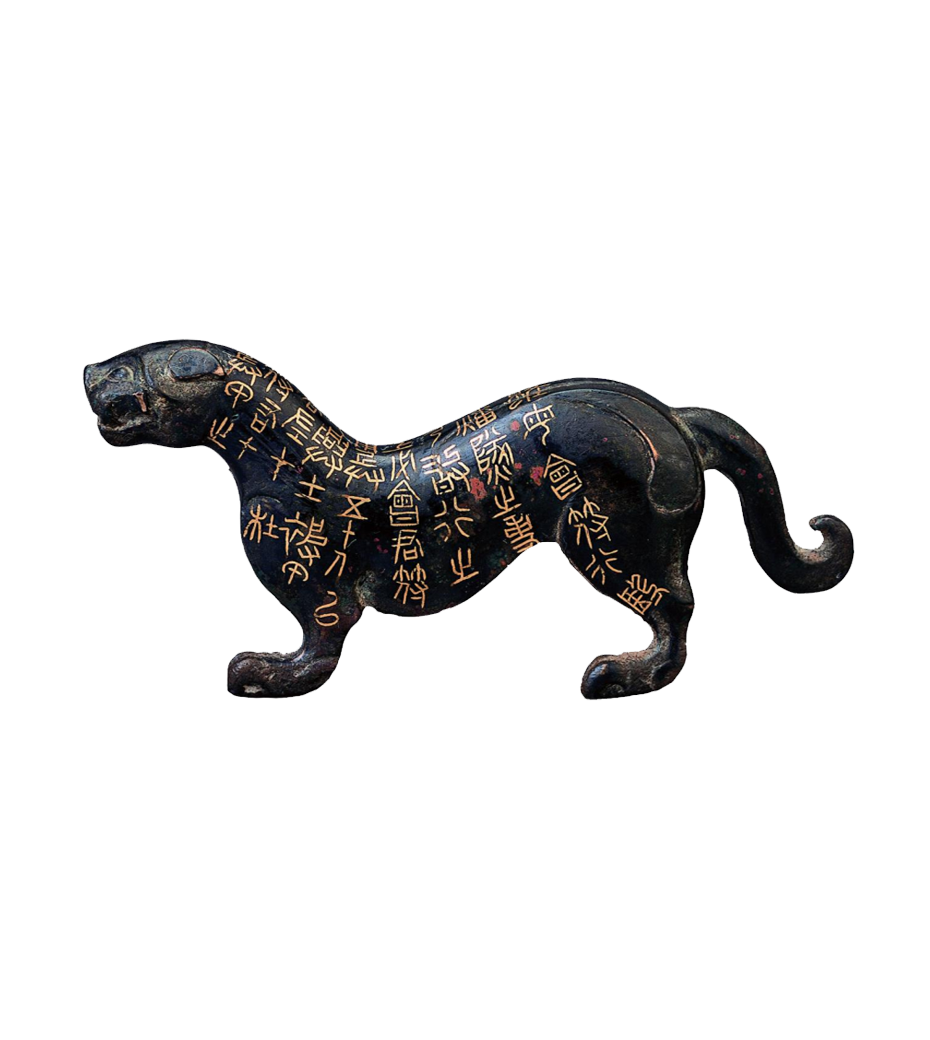
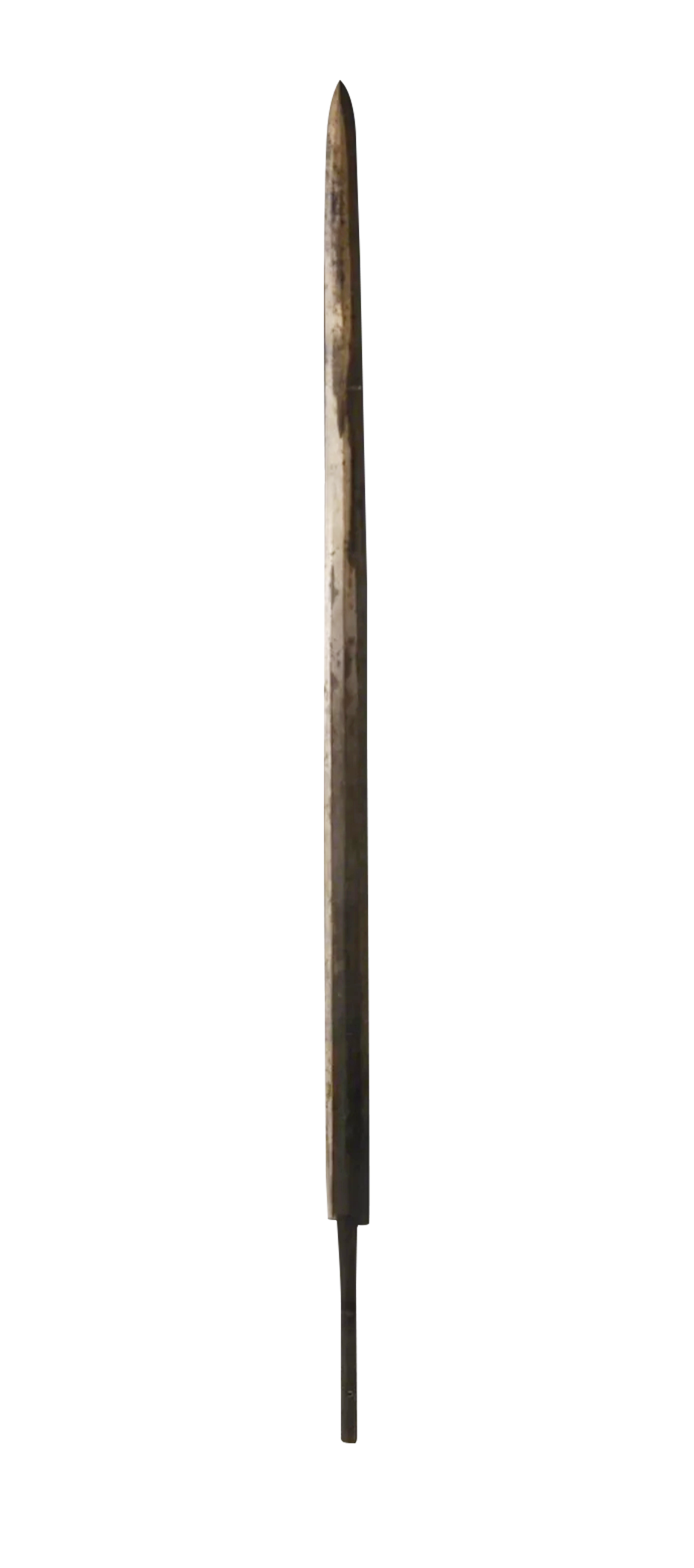
In 221BCE, King Yingzheng of the Qin unified China and established the first centralized empire in Chinese history, which had been the pursuit of many previous statesmen and thinkers since the Spring and Autumn Period. The Qin Empire ushered in a new era in Chinese history as a unified country. Although China experienced splits many times over the course of 2,000 years, China remained a unified country for most of the time.

top