



Thriving of the Han Dynasty
The Han Dynasty (202BCE-220CE)
The Western Han Empire reached the first prime in dynastic China with its capital settled in Chang’an. After the opening of the Silk Road, as the starting point of this East-West trade route, Chang’an became the center of civilization in East Asia and a prominent international metropolis. China emerged as a powerful country for the first time in the world. The archaeological findings from Chang’an and the emperors’ tombs fully demonstrate the prosperity of the society, the colorful life of the people, the diversity of the art and the up-beat spirit of the people of the Han Empire.
Thriving of the Han Dynasty
Imperial Palaces
The construction of the capital Chang’an started in 202BCE and was finished under the reign of Emperor Wudi of the Han Dynasty, taking nearly 100 years to complete. The center of the city, covering two thirds of the city area, was reserved for the imperial residential and administrative palaces including the Changle Palace, Weiyang Palace, Beigong Palace, Guigong Palace, Mingguang Palace and Jianzhang Palace.
Royal Gardens and Temporary Palaces
Many gardens and temporary palaces were constructed in the suburbs of Chang’an for the enjoyment of the emperors. A large number of trees, plants and flowers were planted and rare species of birds and animals were raised to form the earliest Chinese zoos and botanical gardens. The best example of them is the Shanglinyuan Garden located in the south suburb of Chang’an. It has a circumference of 200 kilometers and is the representative of the royal gardens in ancient China.
Imperial Tombs
In the Han Dynasty, the afterlife was regarded as a continuation of the present life. Therefore, tombs and burials received special attention by the people. Traditionally, the construction of the mausoleums for an emperor started right after the emperor ascended the throne. The mausoleum complex for the emperor usually consists of the tomb mount, the memorial temple, the surrounding walls and the watch towers. Buried along with the emperor were numerous burial objects and the satellite tombs of the favorite ministers and generals scattered around the mausoleum, as well as their close relatives. There are altogether 11 mausoleums built for the Western Han emperors with nine of them built on the plateau to the north bank of the Weihe River. The other two are in the eastern and southern suburbs of Chang’an, all looking splendid and grand.
The construction of the capital Chang’an started in 202BCE and was finished under the reign of Emperor Wudi of the Han Dynasty, taking nearly 100 years to complete. The center of the city, covering two thirds of the city area, was reserved for the imperial residential and administrative palaces including the Changle Palace, Weiyang Palace, Beigong Palace, Guigong Palace, Mingguang Palace and Jianzhang Palace.
Royal Gardens and Temporary Palaces
Many gardens and temporary palaces were constructed in the suburbs of Chang’an for the enjoyment of the emperors. A large number of trees, plants and flowers were planted and rare species of birds and animals were raised to form the earliest Chinese zoos and botanical gardens. The best example of them is the Shanglinyuan Garden located in the south suburb of Chang’an. It has a circumference of 200 kilometers and is the representative of the royal gardens in ancient China.
Imperial Tombs
In the Han Dynasty, the afterlife was regarded as a continuation of the present life. Therefore, tombs and burials received special attention by the people. Traditionally, the construction of the mausoleums for an emperor started right after the emperor ascended the throne. The mausoleum complex for the emperor usually consists of the tomb mount, the memorial temple, the surrounding walls and the watch towers. Buried along with the emperor were numerous burial objects and the satellite tombs of the favorite ministers and generals scattered around the mausoleum, as well as their close relatives. There are altogether 11 mausoleums built for the Western Han emperors with nine of them built on the plateau to the north bank of the Weihe River. The other two are in the eastern and southern suburbs of Chang’an, all looking splendid and grand.
Agriculture and Animal Husbandry
As iron farming tools and ox-reclaiming became common, the construction of water conservancy projects and advanced farming skills were promoted. The yield from each acre of land was sharply increased. At the same time, animal husbandry especially the raising of horses saw a period of rapid progress.
Metallurgy and Textile
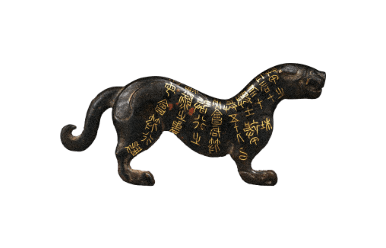
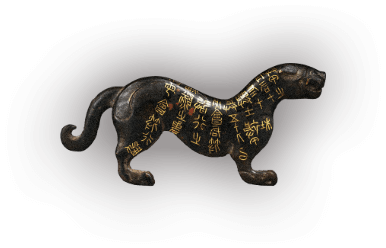
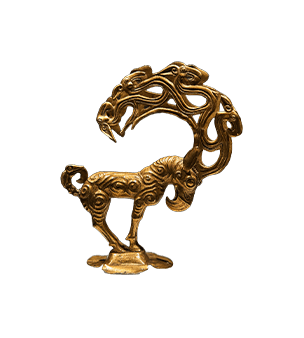
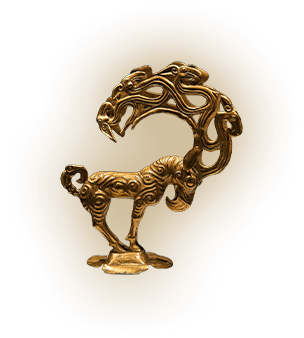
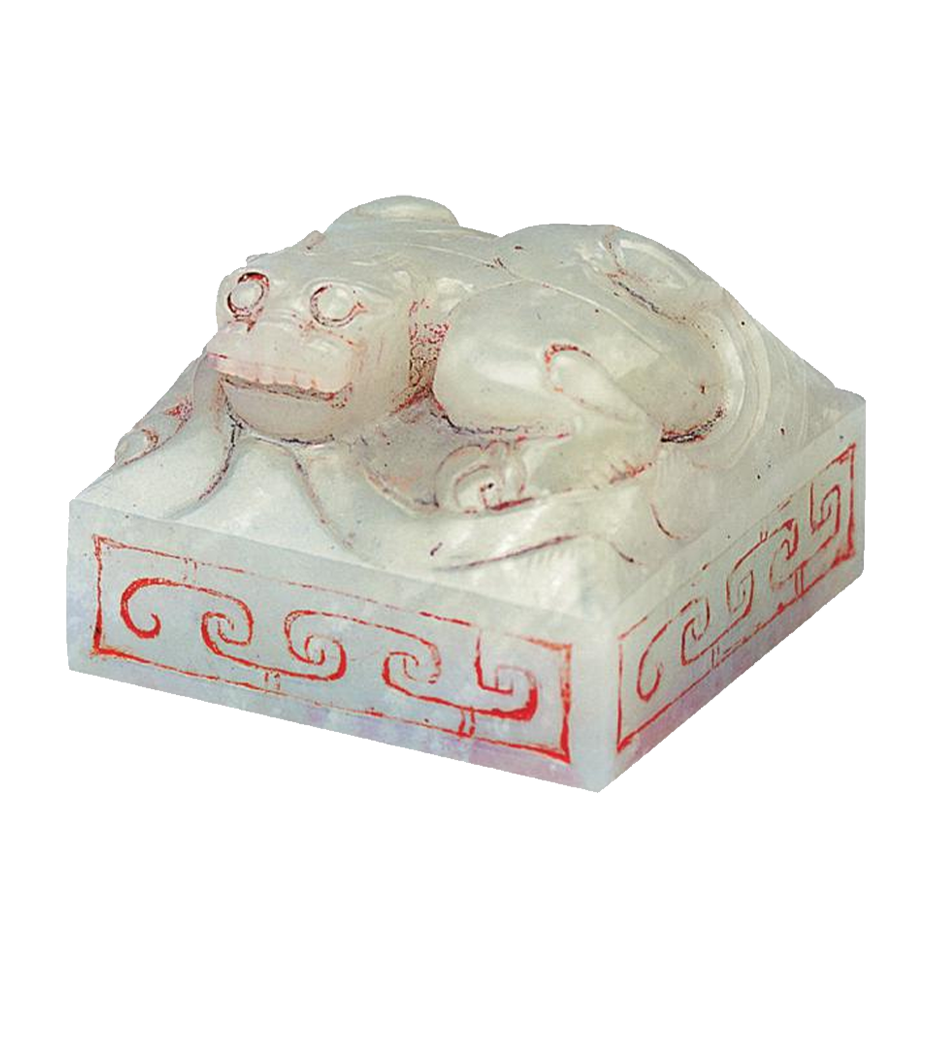
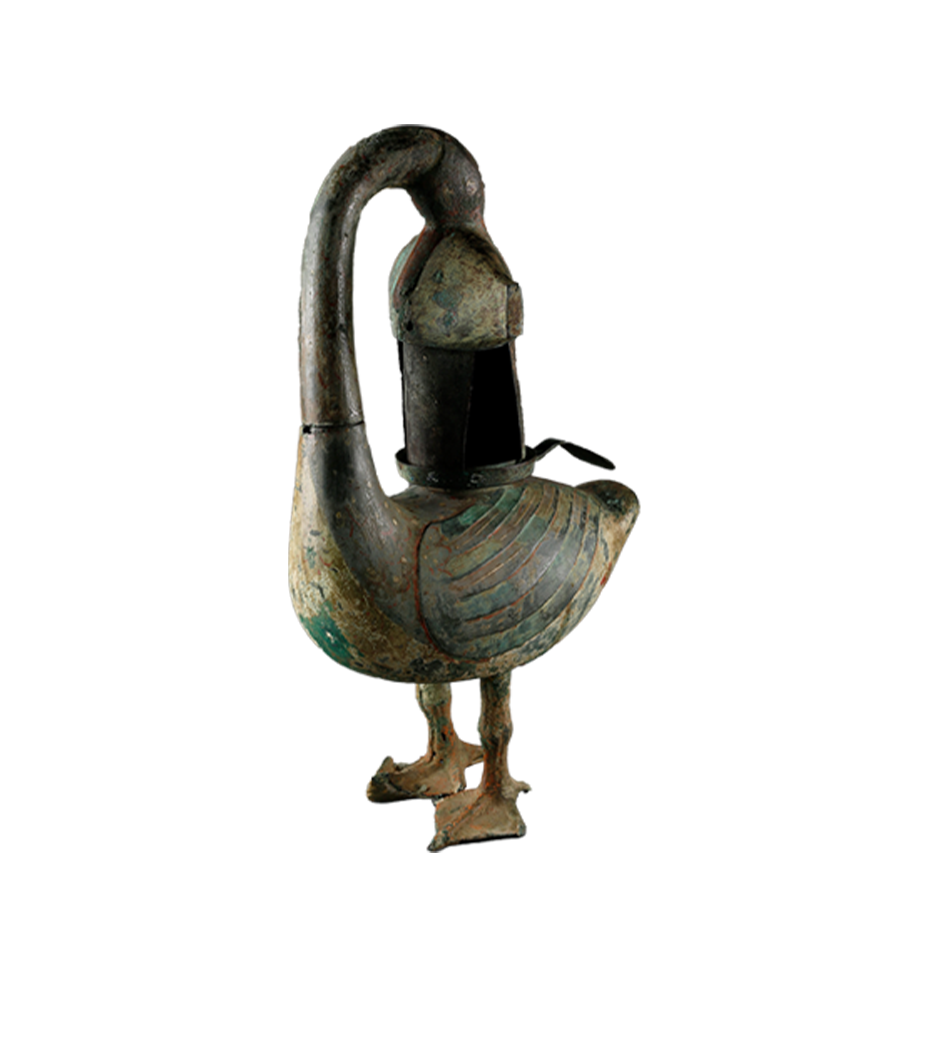
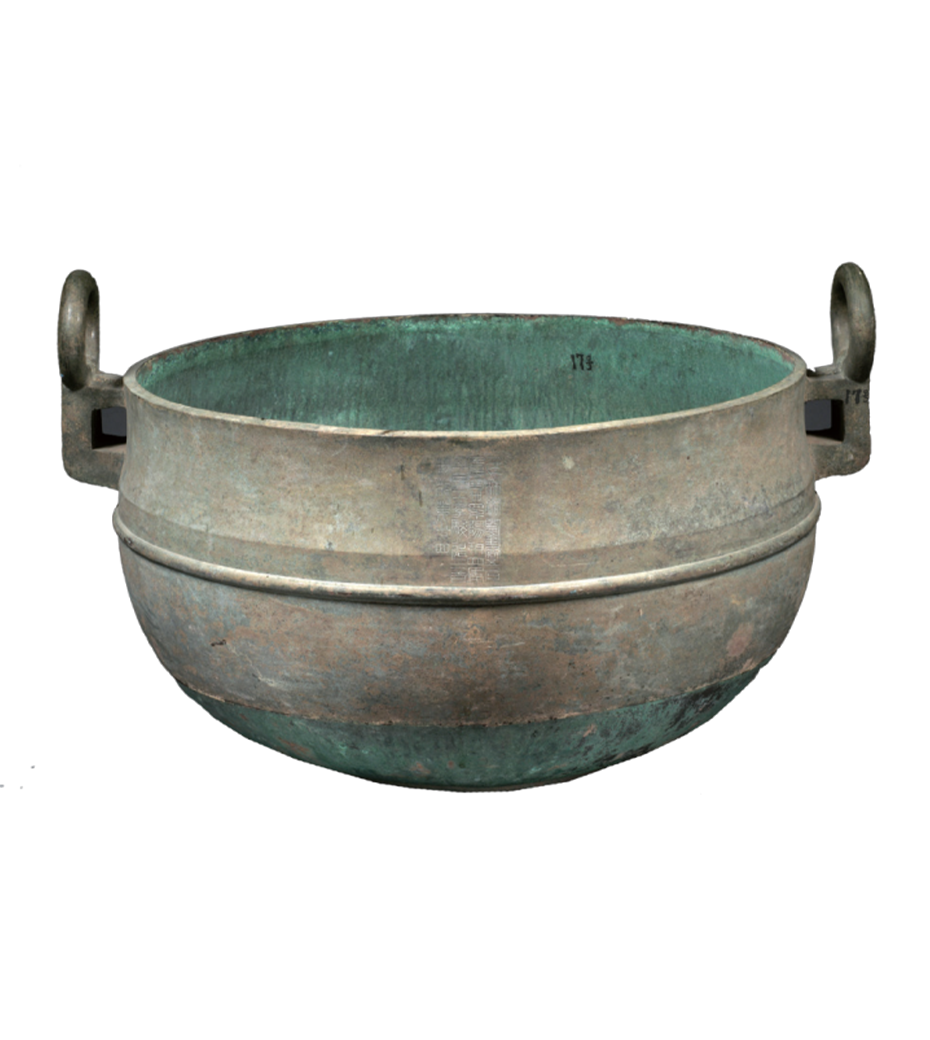
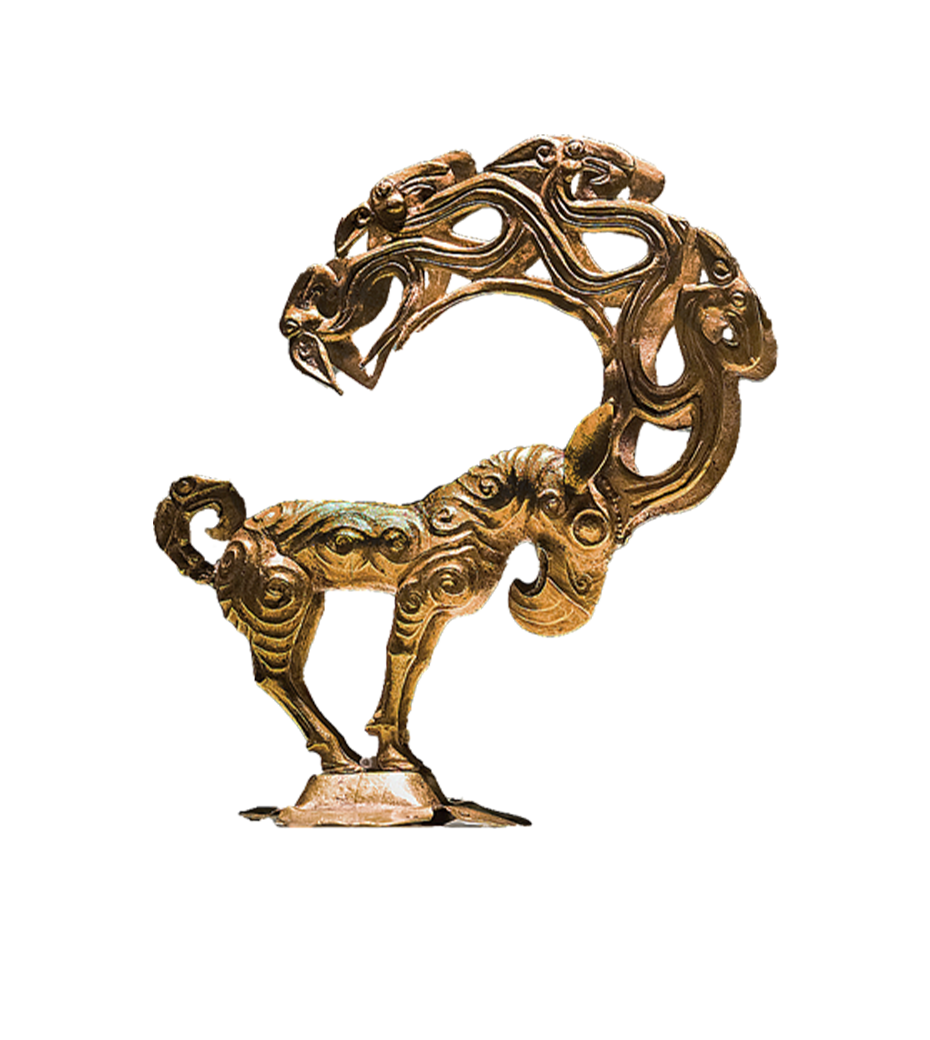
China in the Han Dynasty was in the leading position in many fields. With the support of rich materials and advanced technology, many handicrafts were produced. They are not only practical but also have high aesthetic values. The finely cut jade wares, the exquisite bronze mirrors and the colorful silk fabrics are all representatives of the handicraft products of the Han Dynasty.
Business and Trade
Trade during the Han Dynasty developed very well because of the lenient policy towards business. The increasingly convenient transportation also contributed to the expansion of trade. Famous business centers at that time included Chang’an, Luoyang, Linzi, Wancheng and Chengdu. After the opening of the Silk Road, Chang’an became a well-known international metropolis leading to a boom of international trade.
As iron farming tools and ox-reclaiming became common, the construction of water conservancy projects and advanced farming skills were promoted. The yield from each acre of land was sharply increased. At the same time, animal husbandry especially the raising of horses saw a period of rapid progress.
Metallurgy and Textile
China in the Han Dynasty was in the leading position in many fields. With the support of rich materials and advanced technology, many handicrafts were produced. They are not only practical but also have high aesthetic values. The finely cut jade wares, the exquisite bronze mirrors and the colorful silk fabrics are all representatives of the handicraft products of the Han Dynasty.
Business and Trade
Trade during the Han Dynasty developed very well because of the lenient policy towards business. The increasingly convenient transportation also contributed to the expansion of trade. Famous business centers at that time included Chang’an, Luoyang, Linzi, Wancheng and Chengdu. After the opening of the Silk Road, Chang’an became a well-known international metropolis leading to a boom of international trade.
Everyday Life
Clothing and food are the basic needs of human beings. The exhibits not only show the life style of the people but also demonstrate the different aspects of the social life at that time, reflecting the thought and the aesthetic pursuit of the people.
Inventions and Technology
The outstanding scientific achievements accomplished by the people of the Han Dynasty, like paper-making, seismograph and anesthesia, have far-reaching influence on human civilization. The Book of History and the Book of Han respectively pioneered the biographical general history and chronological history books; the Hanfu style poetry and the Yuefu style poetry hold special positions in the history of Chinese literature.
Clothing and food are the basic needs of human beings. The exhibits not only show the life style of the people but also demonstrate the different aspects of the social life at that time, reflecting the thought and the aesthetic pursuit of the people.
Inventions and Technology
The outstanding scientific achievements accomplished by the people of the Han Dynasty, like paper-making, seismograph and anesthesia, have far-reaching influence on human civilization. The Book of History and the Book of Han respectively pioneered the biographical general history and chronological history books; the Hanfu style poetry and the Yuefu style poetry hold special positions in the history of Chinese literature.

top