

The Loess, the River and the Emperor
—Natural and Historical Culture in the Yellow River Basin
—Natural and Historical Culture in the Yellow River Basin

15 July 2022 – 7 October 2022

Exhibition Room 7
The Yellow River basin is the birthplace of Chinese civilization. The fertile loess, coupled with the river water, has provided abundant sustenance for the people who have lived here for thousands of years. It has been the political, economic, and cultural center for over 3,000 years in the 5,000-year history of Chinese civilization.
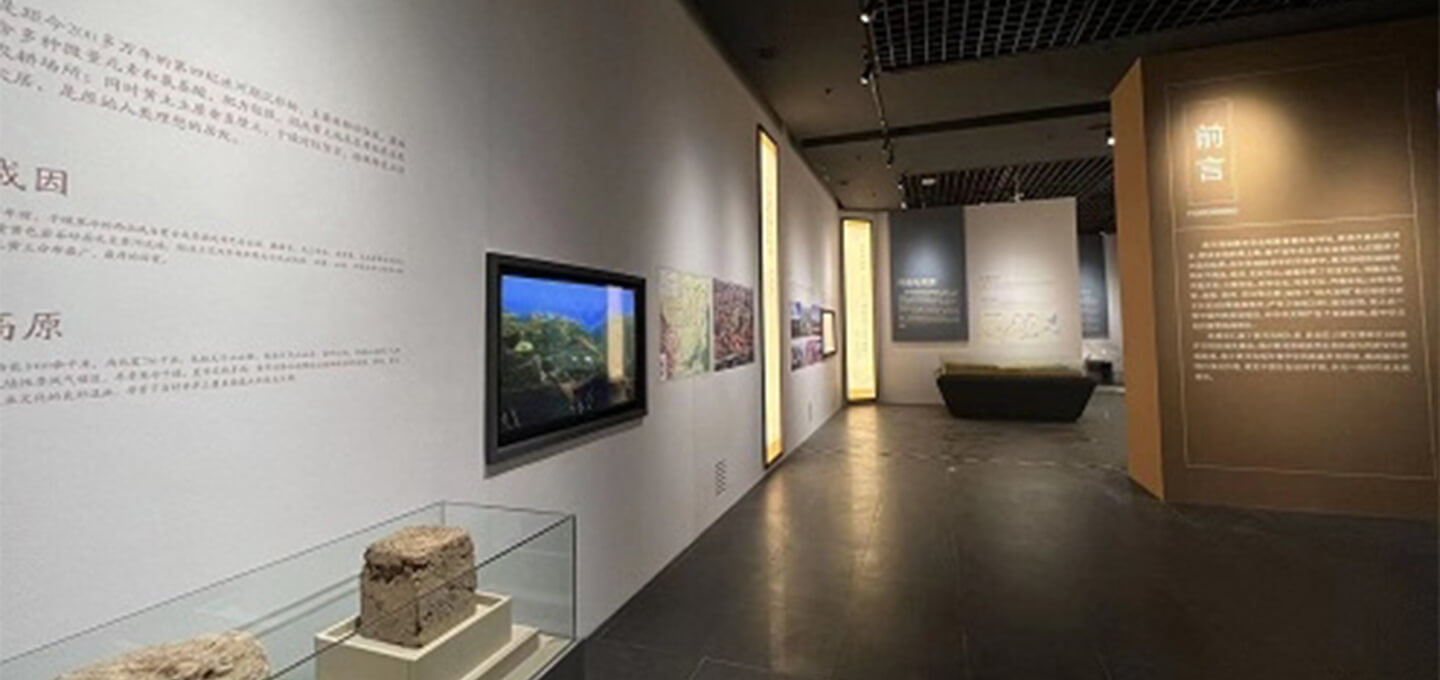
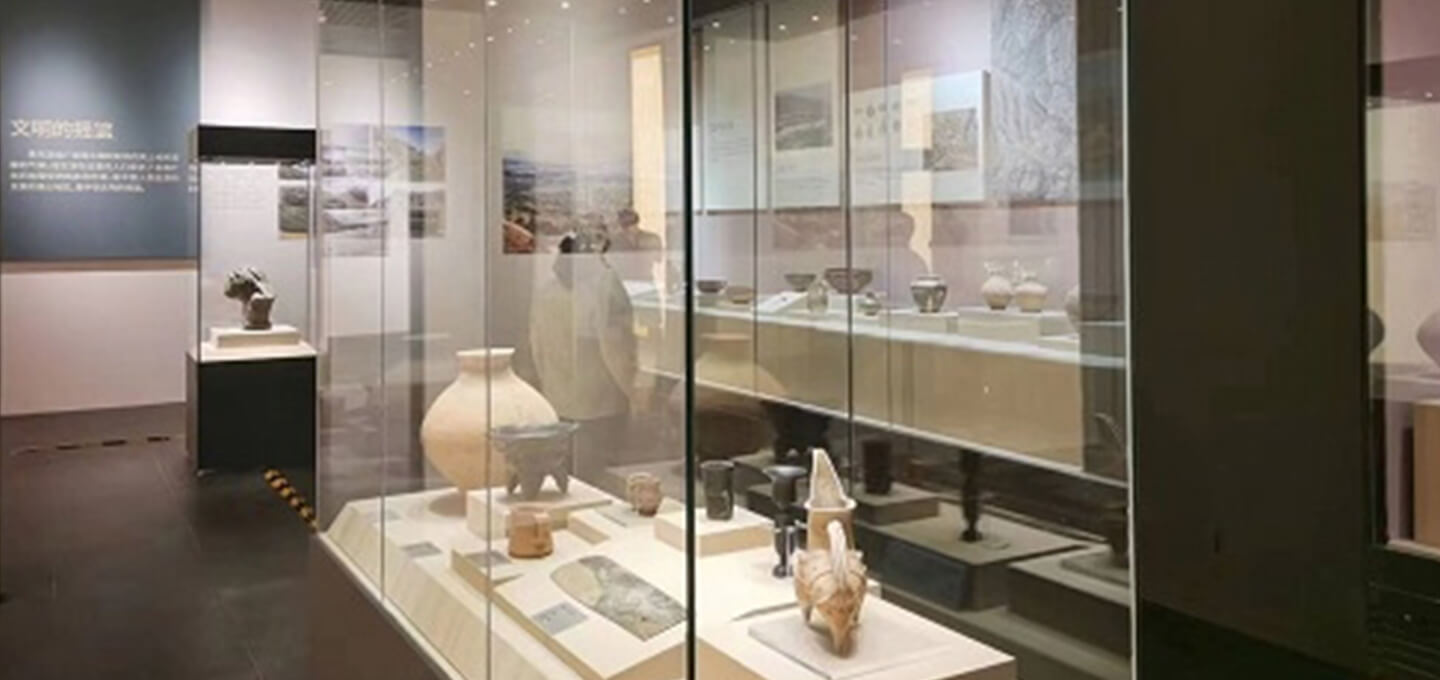
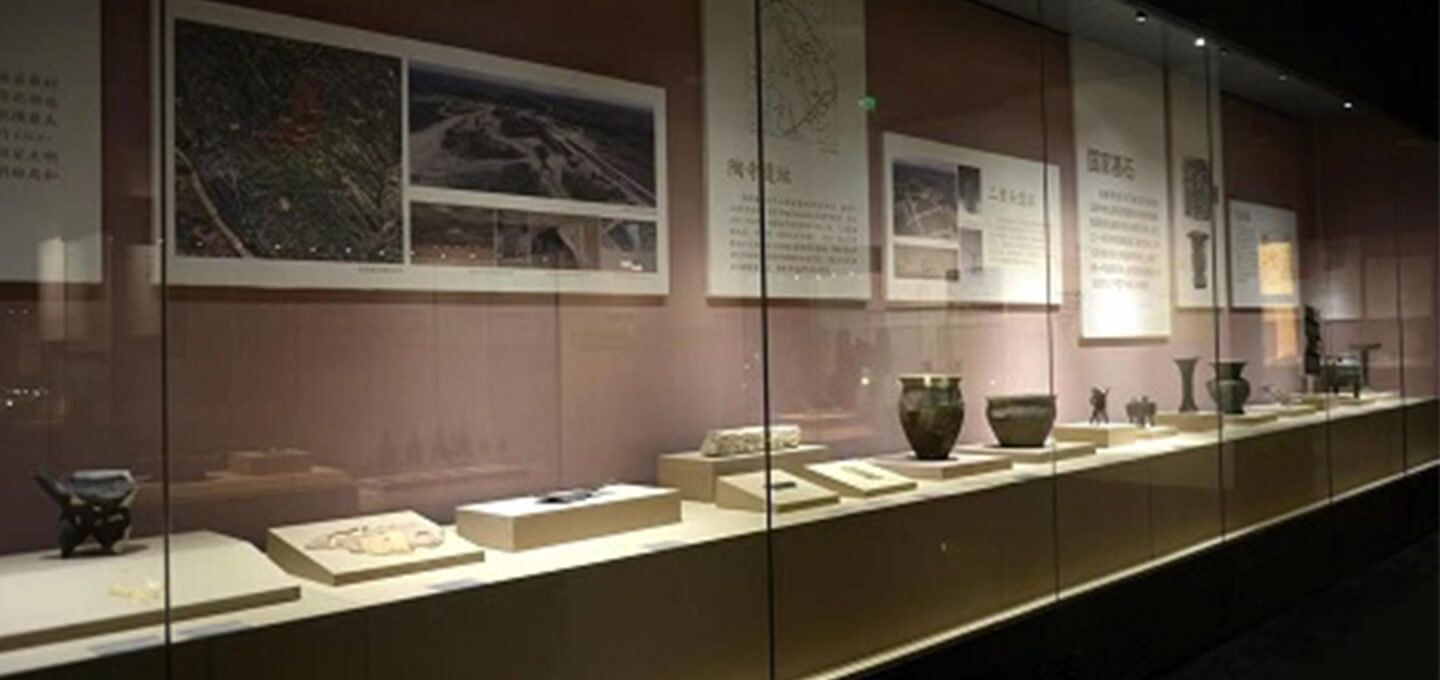
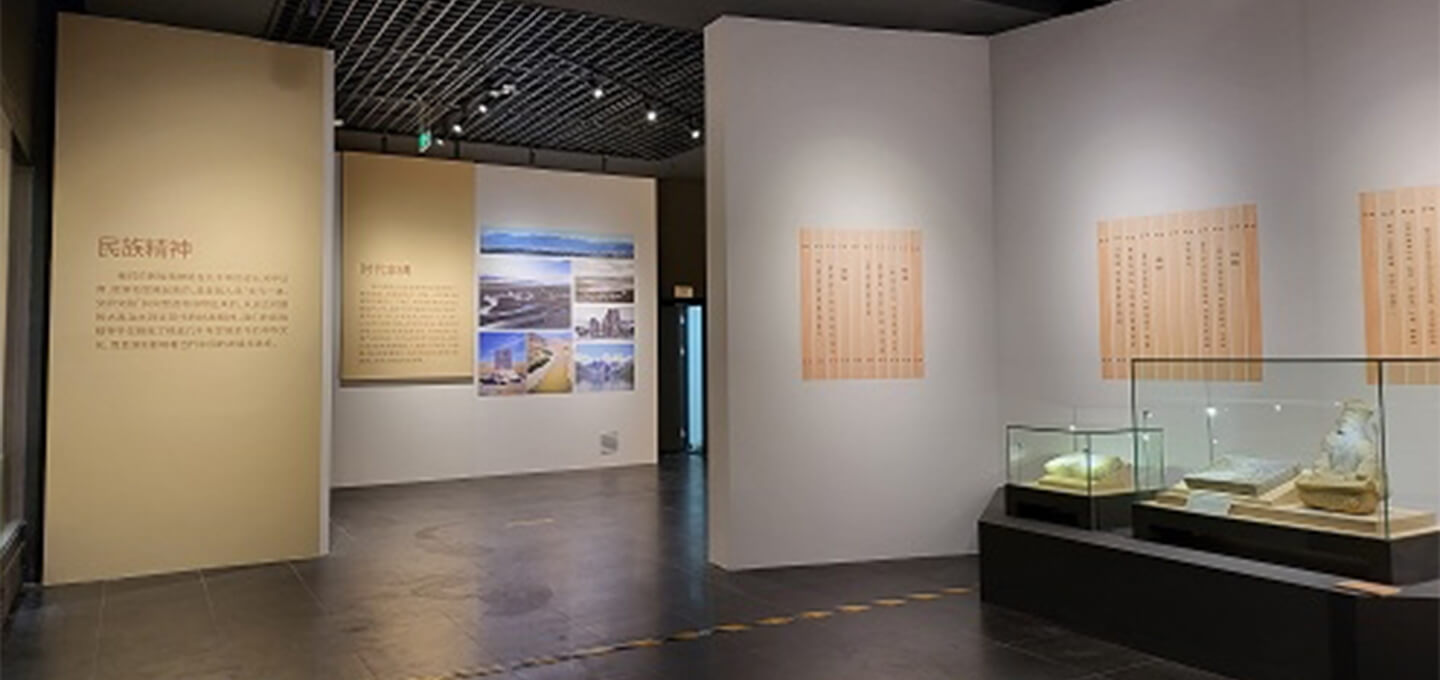
The exhibition brings together more than 180 cultural relics from 13 cultural and museum institutions in 9 provinces and autonomous regions in the Yellow River Basin, including many national treasures, such as the stone grinding slab from the Peiligang Site, the painted pottery from the Majiayao Site, the lacquer plate of divination of the Han Dynasty, the pottery at the Taosi Site, the bronze ware from Ordos City, the woodcarving printing block of Tangut language, the gold plate ornament with a wolf-biting-bull pattern from the Han Dynasty, and so on. It consists of four sections: “The Origin”, “The Root”, “The Growth”, and “The Soul”. Through displaying the natural, historical and cultural development of the Yellow River basin, it showcases the earliest community of the Chinese people and the evolution of early China along the Yellow River, which lays the foundation for the long-standing and pluralistic historical pattern of Chinese society.
The exhibition is jointly organized by museums from the nine provinces along the Yellow River, including Shaanxi History Museum, Qinghai Provincial Museum, Sichuan Museum, Gansu Provincial Museum, Ningxia Museum, Inner Mongolia Museum, Shanxi Museum, Henan Museum, and Shandong Museum.
The exhibition brings together more than 180 cultural relics from 13 cultural and museum institutions in 9 provinces and autonomous regions in the Yellow River Basin, including many national treasures, such as the stone grinding slab from the Peiligang Site, the painted pottery from the Majiayao Site, the lacquer plate of divination of the Han Dynasty, the pottery at the Taosi Site, the bronze ware from Ordos City, the woodcarving printing block of Tangut language, the gold plate ornament with a wolf-biting-bull pattern from the Han Dynasty, and so on. It consists of four sections: “The Origin”, “The Root”, “The Growth”, and “The Soul”. Through displaying the natural, historical and cultural development of the Yellow River basin, it showcases the earliest community of the Chinese people and the evolution of early China along the Yellow River, which lays the foundation for the long-standing and pluralistic historical pattern of Chinese society.
The exhibition is jointly organized by museums from the nine provinces along the Yellow River, including Shaanxi History Museum, Qinghai Provincial Museum, Sichuan Museum, Gansu Provincial Museum, Ningxia Museum, Inner Mongolia Museum, Shanxi Museum, Henan Museum, and Shandong Museum.
top