






The Cradle of Chinese Civilization
The Prehistoric Period (c. 1.63 million years ago ─ the 21st Century BCE)
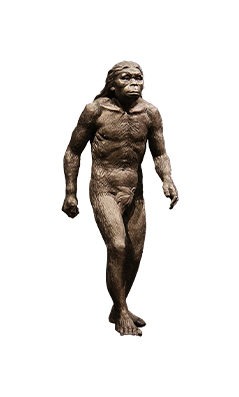
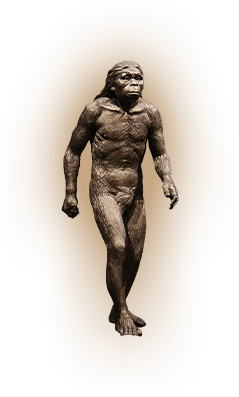
Shaanxi, a province in the middle reaches of the Yellow River, is reputed to be the birthplace of the Chinese nation and one of the cradles of ancient world civilizations. It was once inhabited by early hominids, as shown by the excavated discoveries of such Homo erectus as the Lantian Man, the Dali Man, and Neolithic sites of Banpo, Jiangzhai, Yangguanzhai in central Shaanxi and Shimao in northern Shaanxi. All these prehistoric relics and remains reveal the true picture of an early civilization in this region and the light of the dawn leading to the thriving of Chinese nation.
The Cradle of Chinese Civilization
Shaanxi is home to many early hominids. The important discoveries of Homo erectus and Homo sapiens, such as the Lantian Man, the Dali Man, and the Huanglong Man as well as the Qinling Paleolithic sites reflect the evolutionary process of early human’s physique and intelligence. More importantly, these findings showcase the significance of Chinese Paleolithic culture within the world cultural structure for its continual development.
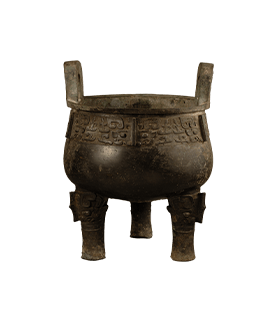
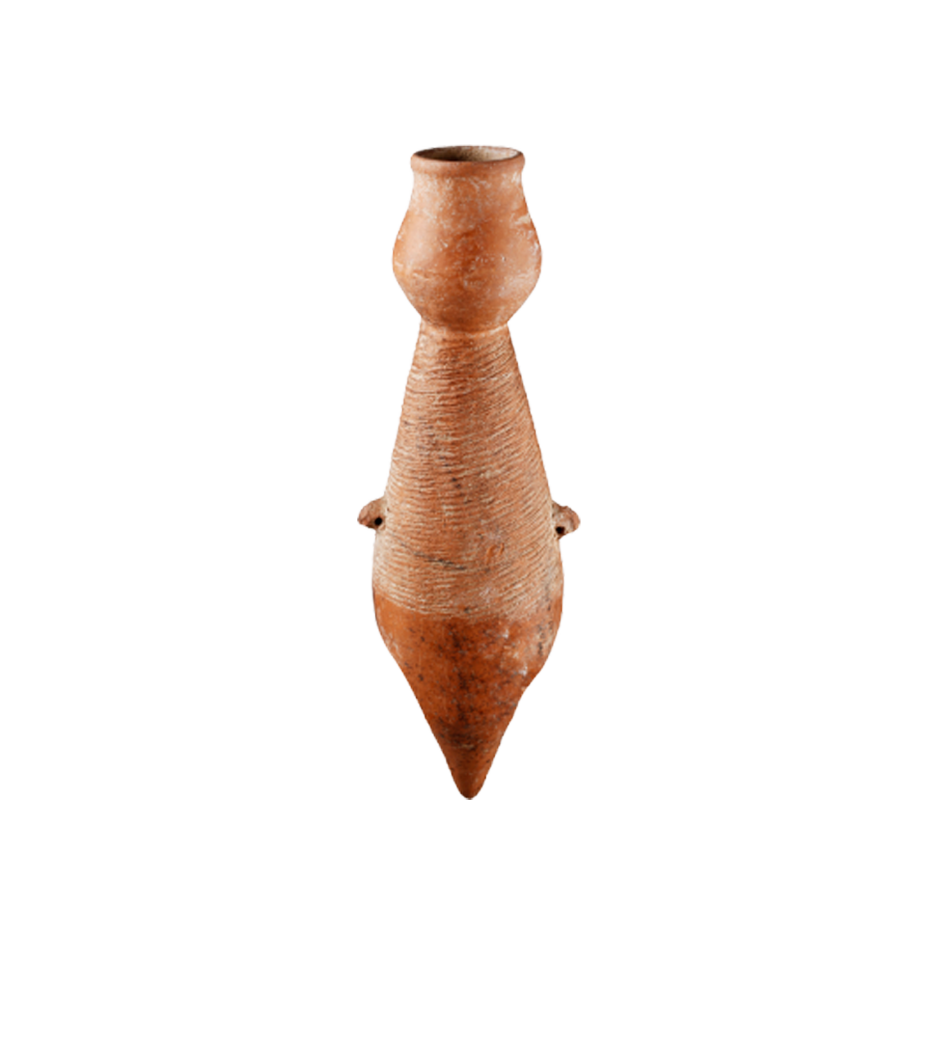
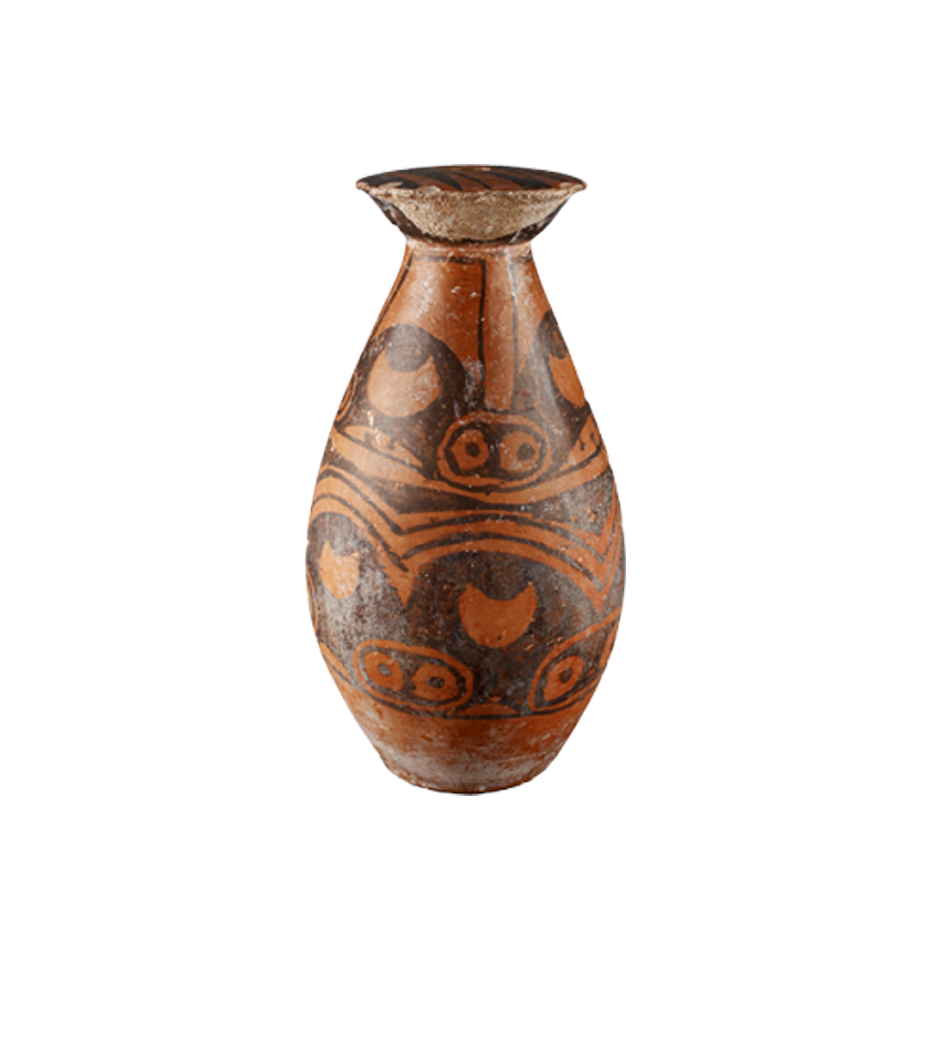
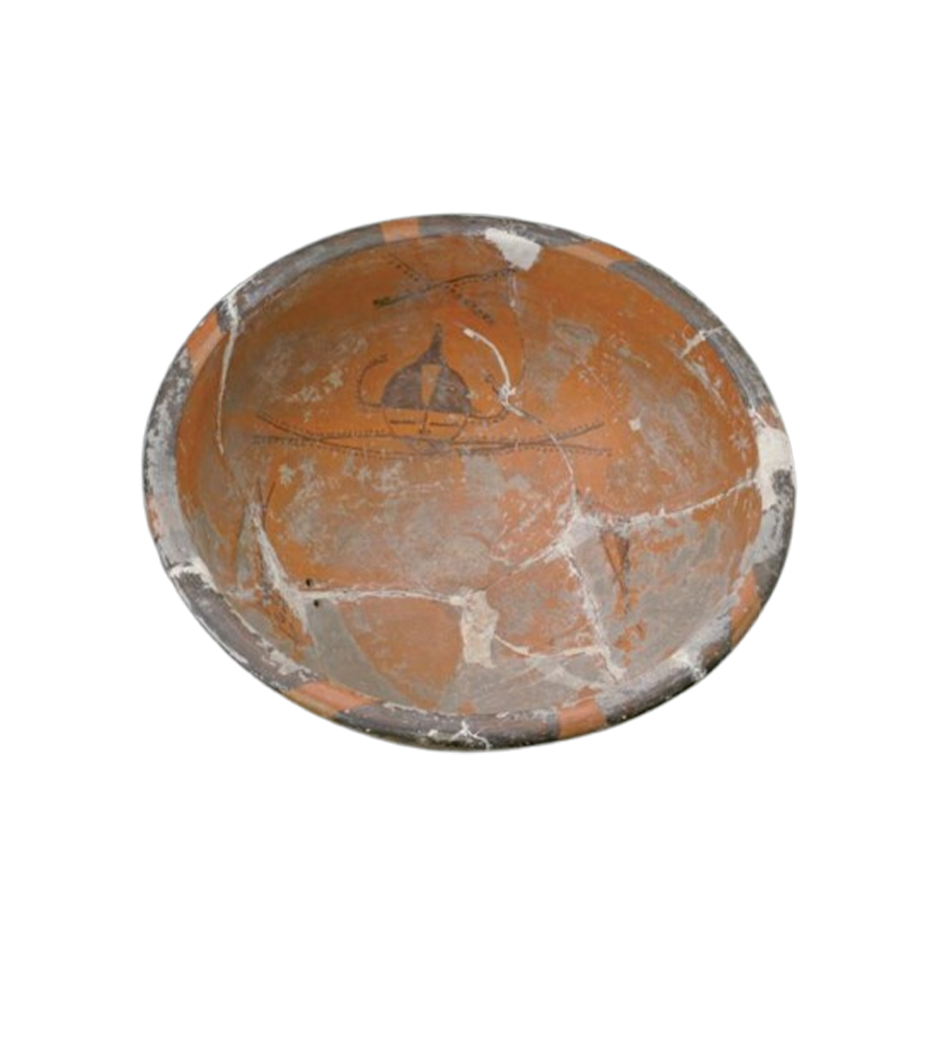
As an important birthplace of Chinese civilization, Shaanxi is also where the Chinese people originated. The Yangshao Culture that mostly existed around Shaanxi’s Weihe River exhibits strong evidence for Chinese cultural integration in prehistoric times. Archaeological findings in Shaanxi dating back to the Longshan Culture Period are represented by some large-scale town sites, which marked ancient China’s entry into the ancient “state period”.

top